Backpacking in Central America was the best decision of my life. My experiences here moulded me into the man I have become today, and I’m now OBSESSED with inspiring others to visit this magnificent region.
From drinking Belikin in a Belizean hammock without a care in the world, to hiking up (and falling down) a volcano in Guatemala, I found Central America to be a region ranging from turbo-relaxation to extreme adventures.
Central America is an enchanting amalgamation of jungles, surf beaches, (tequila), and volcanoes. This part of the world attracts a certain kind of broke backpacker – so you’re sure to fit right in!
After exploring for months on end here, I now kinda consider this part of the world to be my second home. You won’t have to spend long here to feel the same, trust me.
There’s something so magical about these lands and the endless array of surprises and opportunities they possess…
Part of it is the unrivalled beauty of the jungles, mountains, volcanoes, desert islands and beaches. Part of it is all the relaxing and inward soul searching. But truly, it’s the kindness and open-heartedness of the people that make you fall in love.
If you travel slowly while backpacking Central America (and trust me, you should) you’ll find yourself on all sorts of weird and wild side quests. You know, the kind with people that very quickly become your new friends for life. One minute you’ve stopped for tacos and the next you’re chasing down Rodrigo’s pet chicken or singing karaoke with a Mayan grandmother.
A part of me is desperate to keep this place a secret before it turns into Southeast Asia 2.0, but I just can’t. I gotta spread the love (pura vida style).
So, I’m here spilling the beans: insider tips, ups and downs, and essential information that I wish I had before I went backpacking in Central America.
Listo? – Vamos!
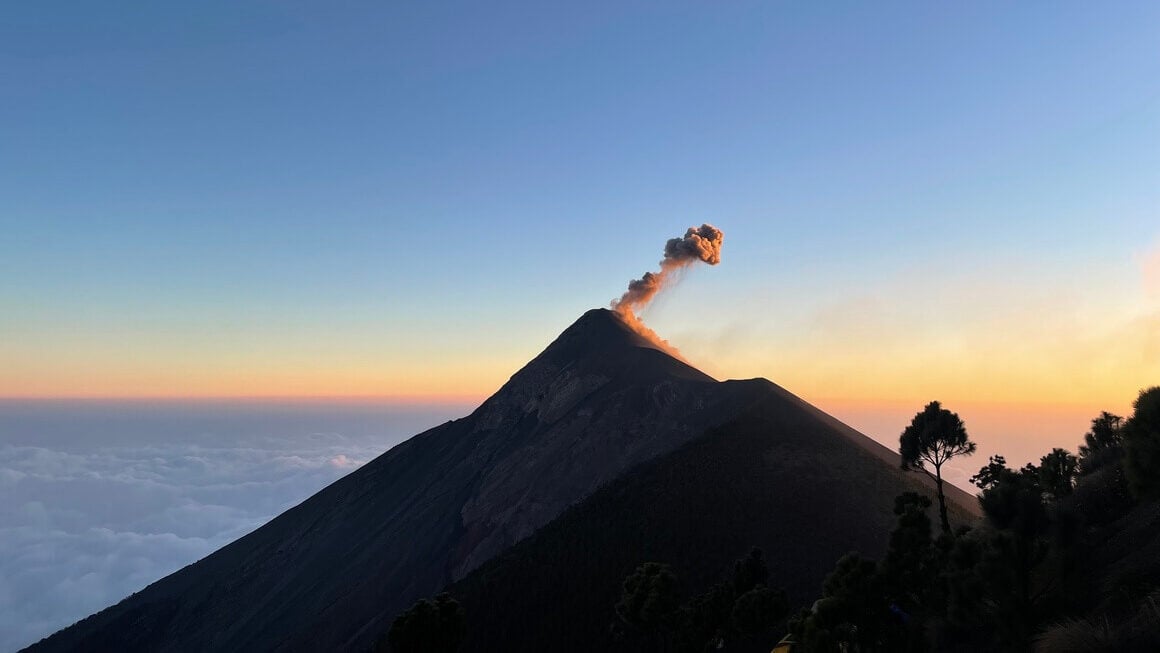
Photo: @joemiddlehurst
The Broke Backpacker is supported by you. Clicking through our links may earn us a small affiliate commission, and that's what allows us to keep producing free content 🙂 Learn more.
- Central America in 60 Seconds
- Backpacking Central America: Routes & Itineraries
- Backpacking Central America Costs
- Best Places to Visit in Central America – Country Breakdowns
- Top Things to Do in Central America
- Accommodation in Central America
- Best Time to Visit Central America
- Safety, Scams & Common Backpacker Mistakes
- How to Get Into Central America
- How to Get Around Central America
- Working in Central America
- Central American Culture
- What’s New For Central America?
- What I’d Do Differently Next Time
Central America in 60 Seconds
- Best island to start with: Colon Island (Panama)
- Best 2-week route: Guatemala (Flores/Tikal, Semuc Champey, Antigua/Acatenango, Lake Atitlan)
- Best 1-month route: 1 week Belize, 2 weeks Guatemala, 1 week El Salvador
- Best 3-month route: The whole lot! Belize > Guatemala > El Salvador > Honduras > Nicaragua > Costa Rica > Panama
- Daily budget reality: Around $40-50 per day
- Biggest first-timer mistake: Not bringing hiking boots (something I regretted when tumbling down Volcan Acatenango)
- When to book ahead: For tourist shuttles between destinations
- Best time to visit: Dry season (December-April)
- Biggest safety risk: Muggings in remote areas, on chicken buses, and in big cities – especially at night
- Budget killer #1: Tourist shuttles
- Budget killer #2: Diving
- Budget killer #3: Panama’s San Blas Islands
- Must-have app: Maps.me (best for offline navigation)
Why Go Backpacking in Central America?
I loved backpacking Central America. I chilled on Belizean beaches, slept on the side of a volcano in Guatemala, met the region’s friendliest locals in El Salvador, explored Mayan ruins in Honduras, got lost in nature in Nicaragua, saw sloths in Costa Rica, and successfully searched for tiny poison dart frogs in the jungles of Panama.
It wasn’t always plain sailing. I was also stalked by a criminal in Belize (my fault, I was stupid enough to let this overly-friendly stranger know my whereabouts) and fell off Volcan Acatenango in Guatemala (also my fault, I wore trainers instead of hiking boots). But problems can be avoided by following Central America-specific safety advice and using common sense.
- What I loved: The wildlife, Mayan ruins, and endless array of incredible outdoor activities on offer.
- Personal highlights: Tikal and Volcan Acatenango (both Guatemala), pretty much all of Nicaragua, and Bocas del Toro (Panama) .
- What frustrated me: Lengthy journeys between places, and not being allowed to cross from Costa Rica into Panama because I didn’t have onward travel booked (luckily mobile data still worked and I was able to book a flight at the border).
- Who will love it: Adventurous young backpackers looking to have a lot of fun for fairly little money
- Who might not: Families with young kids and older travellers may struggle more in a gritty region, that does have physicality and safety challenges to navigate.
If you really get into learning Spanish here, you’ll suddenly find a whole new world opening up to you. I spent a few months on Duolingo before my trip, and went from zero Spanish to being competent in basic conversation, and that went a long way in a region where 6/7 countries speak it. As for Belize, English is the language there, so it’s the easiest country from this perspective.
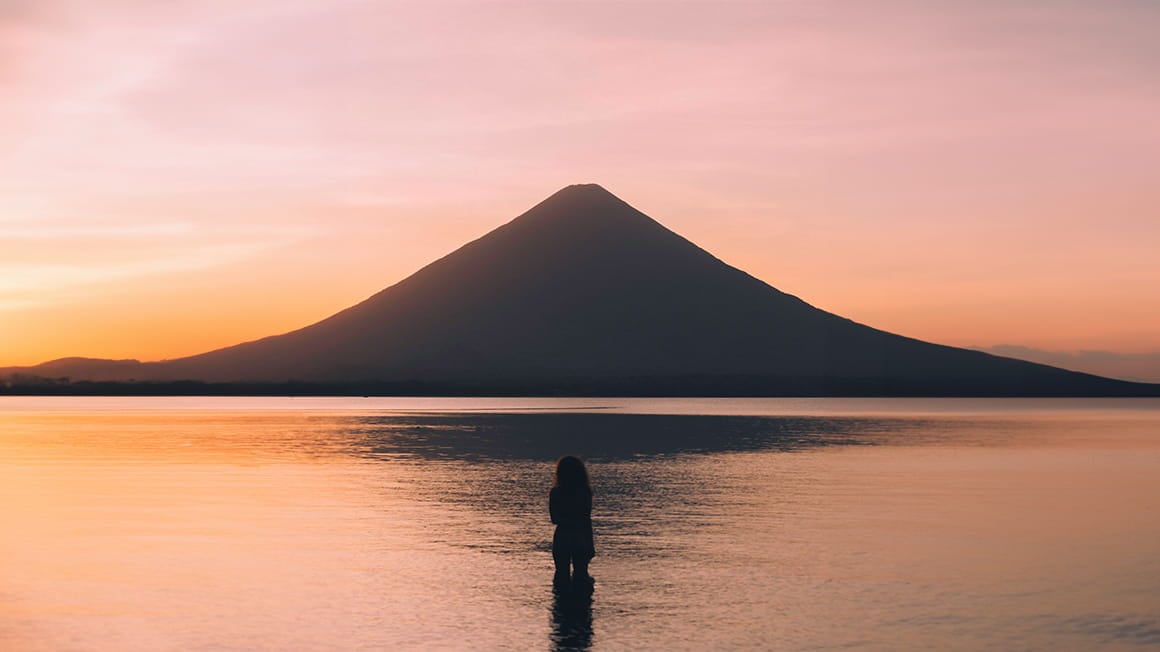
Photo: @drew.botcherby
Central America is also one of the cheapest regions to travel in. If you ditch tourist shuttles for chicken buses (which I don’t recommend for safety reasons), and limit activities, you can easily spend under $20 a day here. Honestly though, I wouldn’t skimp out this much, because the activities are what makes this part of the world so special.
And when you do want to splurge on some once-in-a-lifetime experiences, well the region delivers them in spades! Learning to free dive or SCUBA dive are two of the more popular ones. Take epic trekking trips, and try sky diving, and paragliding!
Honestly, backpacking in Central America is the whole package: the people, the parties, the paradisiacal landscapes. Now let’s take a look at some of your options for exploring this fantastic part of the world.
Backpacking Central America: Routes & Itineraries
I find it pretty easy to plan a rough route here, because Central America is pretty linear. It makes sense to start in Belize/Guatemala and end in Panama, or vice versa if you plan to hit up every country here. Although as a Brit, Honduras recently threw a spanner in the works by requiring us to have a visa… most other nationalities are unaffected though.
One of the reasons I love backpacking in this region is the ability to be spontaneous. The region thrives on a certain degree of chaos! Best of all, the distances here are not as daunting as in other parts of the world, so it’s a good choice for backpackers short on time. Unless you take the chicken buses, then the hours will turn into days…
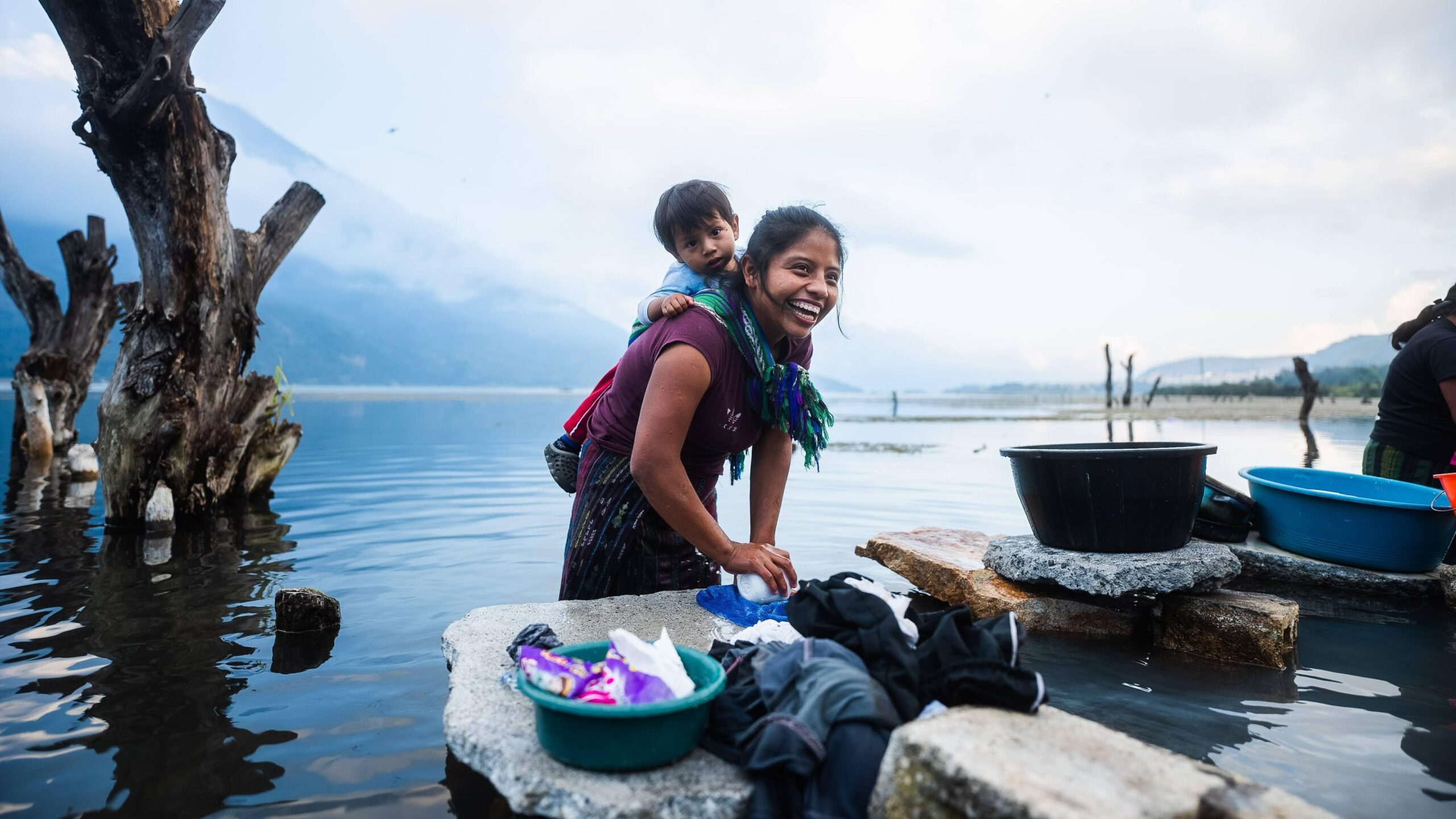
Besides, I don’t see much point in rushing around the countries. You might as well slow down your travels and enjoy the ride!
Whether you are looking for a 2-week Central America itinerary or a 2+ month travel odyssey, I’ve got you covered amigos! Let’s dive in a explore some of the tried and true Central America backpacking routes I have enjoyed.
2-Week Travel Itinerary for Central America: Mexico to Guatemala
Main stops: Cancun > San Cristobal de las Casas > Lake Atitlan > Antigua/Acatenango
Highlights:
- Partying in Cancun
- Beaches and cenotes in Cancun
- Cultural exploration in San Cristobal de Las Casas
- Relaxing around Lake Atitlan
- Hiking up Volcan Acatenango in Guatemala
To be honest, a fortnight isn’t anywhere enough time. But if you’re really restricted with what you can do, here’s what I recommend.
This 2-week Central America backpacking itinerary starts in Mexico’s Cancun, which is one of the cheapest entry points to the region (sort of – Mexico technically isn’t in Central America, but shares enough similarities to be bundled into it).
Find somewhere to stay in Cancun and enjoy some time exploring those insane white sand beaches and cenotes in Quintana Roo to make memories you’ll never forget. Cancun was by far the best party hub I visited until I made my way down to Nicaragua, which you unfortunately won’t have time for if you only have 2 weeks to backpack Central America. So hit the clubs and have a blast before making your way west.
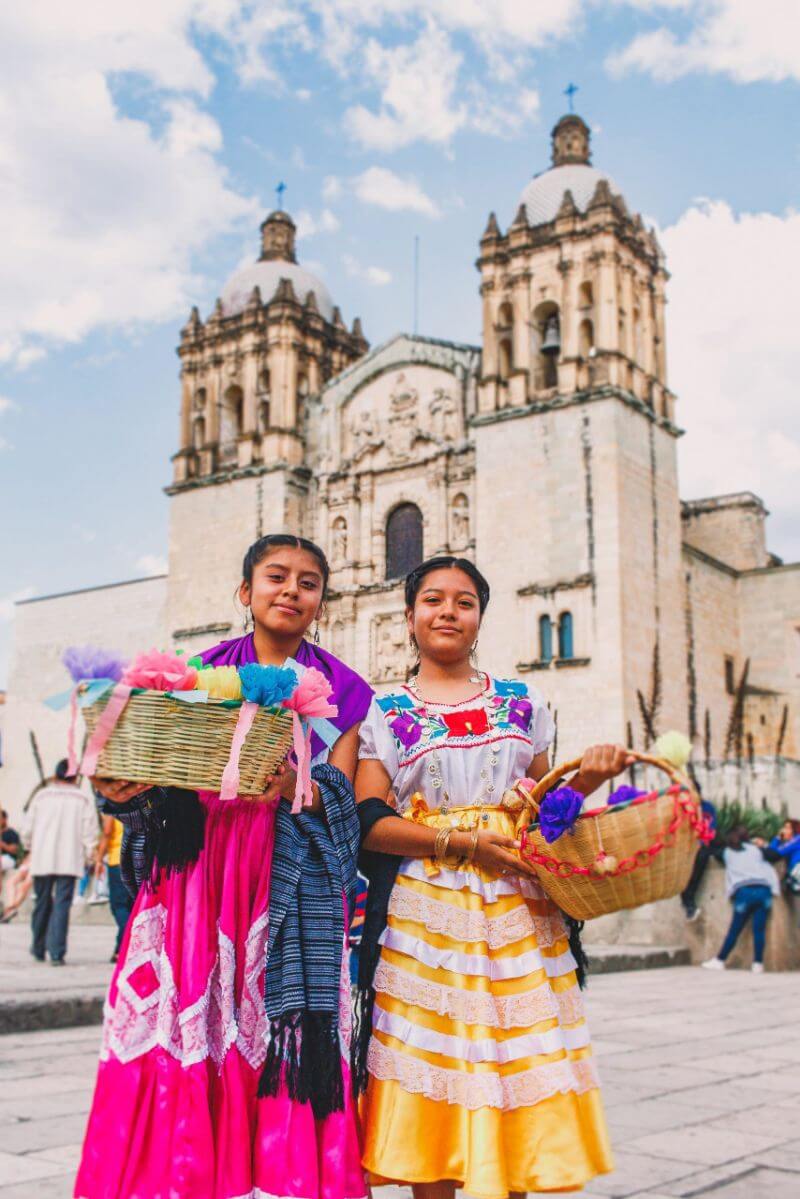
Now onwards to Chiapas! Chiapas is one of Mexico’s most fascinating regions. The food alone makes it worth the visit, although the mix of cultures and the drop-dead gorgeous landscapes will compete for your attention, too. Explore San Crístobal de Las Casas before you head to Guatemala.
Guatemala is a whole other fascinating country. Backpacking Guatemala is a truly special experience. It’s here that I accidentally spent six months falling in love with the country. Plus, there are some epic hostels in Guatemala too where I met some amazing folks.
By the time you get here, you’ll have a week or so left, which gives you just enough time to hit up two of my fave spots in Guatemala.
Search for an epic Lake Atitlan hostel to check out when you do stop by, and visit the backpacking mecca town of San Pedro la Laguna. I enjoyed chilling by the lakefront whilst drinking Gallo, a better alternative to Che Guevara beer, which is almost as awful as the bloke it was named after.
And rounding out your taste for Central America you can stop in at one of the many awesome places to stay in Antigua. Once you’re done exploring the colonial city, hike up Volcan Acatenango, and sleep overnight on the side of the volcano, as you watch lava blow from the top of nearby Volcan de Fuego.
This may well be THE best travel experience I’ve had from over 100 countries so far. Just make sure you have good hiking boots, and something warm to sleep in. The summit is freezing at night.
4-Week Travel Itinerary for Central America: Guatemala to Nicaragua
Main stops: Flores/Tikal > Semuc Champey > Lake Atitlan > Antigua/Acatenango > Santa Ana > El Tunco/El Zonte > San Salvador > Leon/Cerro Negro Volcano > Granada/Volcan Masaya
`
Highlights:
- Explore Tikal’s Mayan ruins in the jungle
- Trek up to see Semuc Champey before tubing with a beer
- Choose between parties and culture at Lake Atitlan
- Watch Volcan de Fuego erupt
- Enjoy El Salvador’s safety and scenery
- More volcano adventures in Nicaragua
Have a month to visit Central America? Great! I still wouldn’t say this is enough time to see everything, but you can at least blast through the highlights.
This route has you starting off in Guatemala. Of course, you could start in Nicaragua as well. In my opinion, it is better to save it for the end!
I recommend spending at least ten days in Guatemala before heading south. Definitely go to the ruins in Tikal – and make sure to stay in Flores, the small town nearby that I fell in love with!
Check out the incredible pools at Semuc Champey. Now if you take a tourist shuttle south, you can enjoy some of the best things to do in Lake Atitlan. You can get in your yoga fix while learning deeply from the Mayan culture still strongly felt here. Or just get hammered on cheap beer. Atitlan really does have something for everyone.
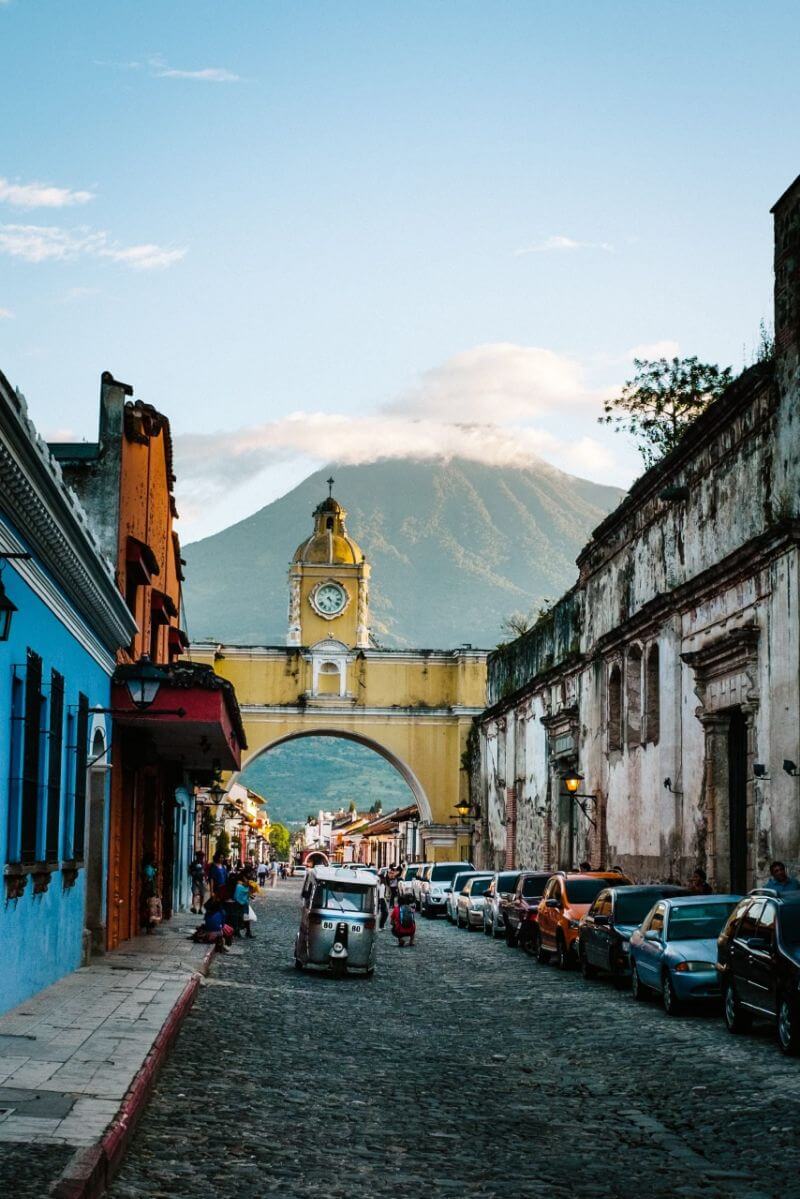
Next up, walk to the cobblestone streets of the beautiful colonial city, Antigua. And of course, do the Volcan Acatenango hike. This is all before you get out of Guatemala – there is truly so much to do in Guate!
El Salvador is a country that is often skipped over entirely – and what a mistake that is! While El Salvador certainly is a bit lighter on the typical tourist things, the surfing and epic street food make it a worthy stop on your itinerary. This is now the safest Central American country, and it also has some sick hostels too.
Start in Santa Ana, from where you can enjoy the Santa Ana Volcano hike. I still didn’t have hiking boots for this, but it was pretty easy in trainers. Be sure to head up early so you have time to check out Lago Coatepeque on the way back.
Take a ferry next to Nicaragua. Unfortunately, you won’t have time to explore everywhere in what I’d say is a top 5 country in the world. Instead focus on the colonial towns, Leon and Granada.
Both are nice, both have great sunset views from the cathedral roof (Leon) and the church bell tower (Granada) respectively. But both are really base cities for bigger and better things.
From Leon, you can do a day trip to Cerro Negro Volcano. And I recommend this, not for the volcano itself, but for what you can do here.
I hiked up for 45 minutes, put a board down on the gravel, and boarded down the volcano at up to 70km/h. Very cool stuff! It was a little scary as I started to lose control and pick up speed, but they give you protective equipment, and it’s a memorable experience.
From Granada, you can visit Volcan Masaya, where you can see lava. After Acatenango, this was the only other place I saw lava. But unlike in Guatemala, you peer down into the crater from above which makes it a different kind of experience.
2-Month Travel Itinerary for Central America: Mexico to Panama
Main stops: Mexico (west coast) > Belize > Guatemala > El Salvador > Honduras (Copan Ruinas/Bay Islands) > Nicaragua > Costa Rica > Panama
Highlights:
- Parties and cenotes in Mexico
- Beaches and water sports in Belize
- Tikal’s Mayan ruins and hiking up Volcan Acatenango in Guatemala
- Volcanoes and colonial architecture in El Salvador
- Copan Ruinas and diving in Honduras’ Bay Islands
- Lakes, volcanoes, wildlife, beaches and parties in Nicaragua
- Jungles and world class wildlife in Costa Rica
- Paradise islands in Panama
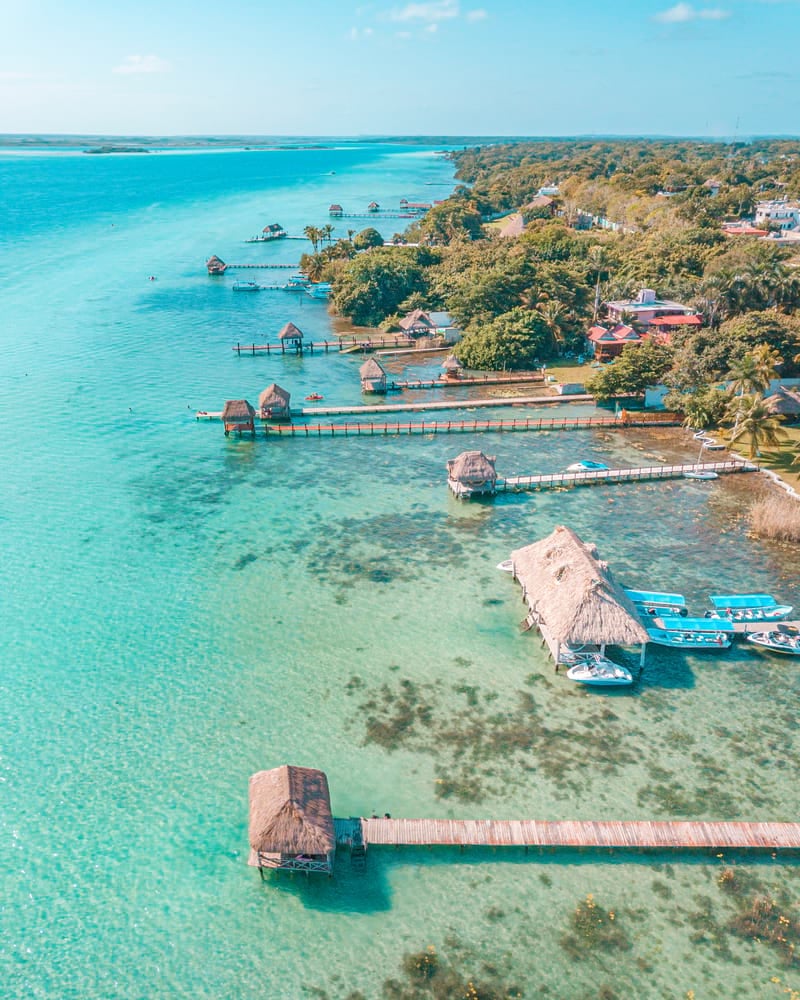
If you have 2 months or more then you can see the whole damn region. In Mexico, make sure you go and visit some cenotes around the Yucatan Peninsula. I loved Cenote Azul in Bacalar. It’s an open one, so you don’t get the awesome cave aesthetic, but it’s a lovely spot to swim in, with only a handful of other visitors.
Then hit up the beaches in Belize. I found San Pedro to be more lively, whereas Caye Caulker has a very slow-paced way of life. I mean, that’s no surprise when its motto is “go slow”. You can do water activities from both, but San Pedro is best for parties, whereas Caye Caulker is king for relaxation with a nice cocktail at the famous Lazy Lizard bar.
Then ensure you spend a fortnight in Guatemala. I’ve already covered the joys of Tikal and Volcan Acatenango in the shorter itineraries, but they’re both WOW destinations that made me really love this part of the world. Semuc Champey and Lake Atitlan are also well worth the effort.
Now the motto of Guatemala’s southern neighbour is “don’t skip El Salvador“, and that’s because the former murder capital of the world has transformed into one of the region’s safest countries, opening it up to tourists hoping to enjoy stunning Santa Ana Volcano, or surf in the beaches of El Tunco.
I first went to El Salvador just 2 weeks after 80 murders in a single weekend, which is what triggered the crime crackdown. I saw a guy covered in face tattoos which was a little intimidating (this signifies a gang member, often a murderer in the country), but otherwise felt very safe. And it’s only become safer since.
A trip to Honduras is totally worth the effort. I loved Copan Ruinas: Mayan ruins, but also home to some colourful macaws which gave it added character I didn’t find in the likes of Tikal and Chichen Itza. The Bay Islands are one of the cheapest places in the world to get your PADI certification. Annddd, you could also learn to freedive.
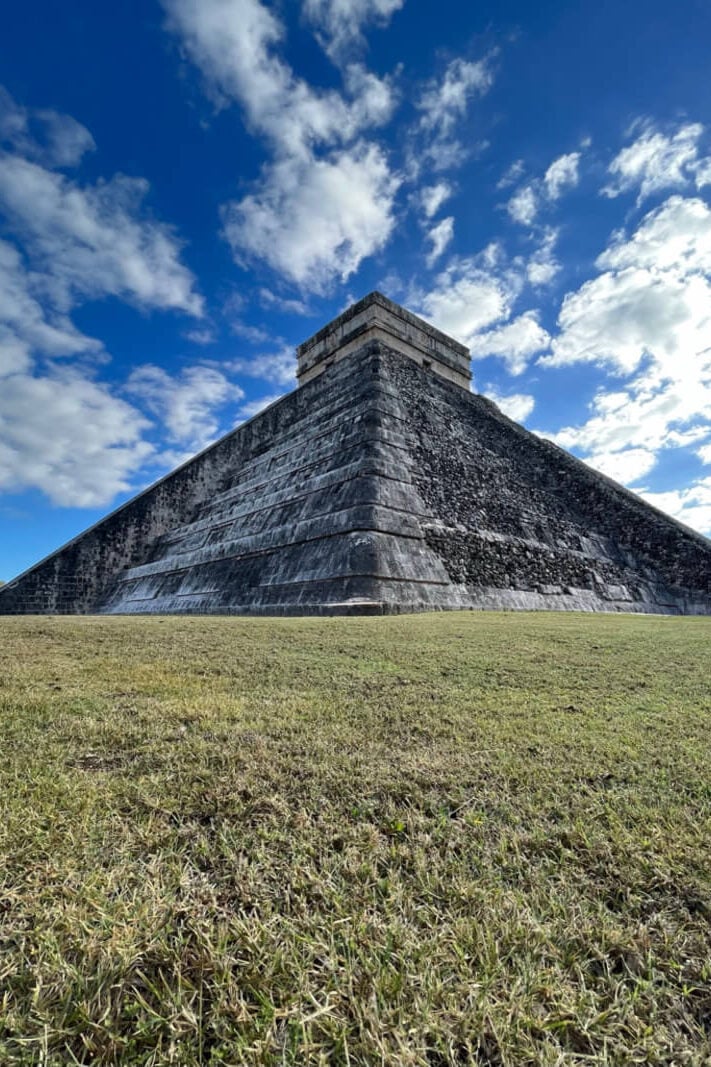
Photo: @joemiddlehurst
This 2-month itinerary is the whole enchilada as they say – it would ideally be better off done with a lot more time up your sleeve. Still, if you head from Utila and the Bay of Islands through the jungle of Honduras you can have an awesome time trekking and exploring more ruins, such as the trails through Parque Nacional Montaña de Comayagua.
From there, you can cross to the Pacific side of Nicaragua, where I loved boarding down Cerro Negro Volcano, seeing lava spew out of Volcan Masaya, and getting lost in nature alone on Ometepe. In Charco Verde I ventured from the main path and ended up miles from any other people, which was an incredibly tranquil experience. My quest to spot an anaconda ended in failure though.
Next up is Costa Rica. A country I found to be a little overrated if I’m honest, but it is the GOAT for spotting cool wildlife, from sloths to snakes to so much more. I’d say it’s a one-trick pony – unreal for wildlife, but overshadowed by other countries in the region for everything else. Plus it’s expensive. But the animals alone are a good reason to go.
Last, but definitely not least, is Panama. David is a boring transit city and nothing else. Boquete is a cool place to hike, it has a retirement vibe though, which I didn’t think was a particularly bad thing. Just don’t expect mad parties. Bocas del Toro is my highlight though, and it really does go wild there.
Colon Town is the best place to stay in Bocas. It’s also where the parties happen. My highlight however is Playa Estrella, a remote beach full of hand-sized starfish in the clear waters. Finding red frogs on Bastimentos Island was also a ton of fun.
I found a good balance between trekking, partying, visiting ruins, chilling out, exploring nature, and learning a travel language – Spanish. If you do too much of any of those things, language learning aside, you can lose appreciation for how special they are. I found it best to settle into a place for at least a few days before heading out on tourist shuttles.
Backpacking Central America Costs
Each country in Central America will affect your budget in a different way. I found Nicaragua to be the cheapest country in the region, followed closely by Guatemala. Costa Rica, Belize and Panama will be the heaviest hits to your budget. El Salvador is more mid-range, whilst Honduras can be cheap, but tourist shuttles and diving will rocket your spending here.
The Bay Islands (Honduras) and Corn Islands (Nicaragua) are more expensive than the mainlands of those countries. I found Bocas del Toro to be no more expensive than elsewhere in Panama though. The San Blas Islands are a different story, they literally cost hundreds of dollars to visit, and are absolutely not Broke Backpacker friendly.
Travelling in Central America certainly does not need to be expensive! If you are worried about spending too much money, I recommend allotting more time for yourself to explore the cheaper countries. And chicken buses will save you cash (at the potential expense of safety) But honestly, if you stick to the tried and true methods of budget backpacking, your wallet will be quite alright.
Daily Budget Ranges
Here is a breakdown of what you can expect to pay on a daily basis whilst backpacking Central America. Taking tourist shuttles over chicken buses and throwing yourself into regular activities will see you hit the upper end of these ranges. Cheap dorms, local meals and local transport with occasional activities will keep things cheap.
| Country | Dorm Bed | Local– Meal | Bus Ride (Local) | Bus/ Shuttle Ride (Inter– city) | Activity | Average Daily Cost (Shoe string) | Average Daily Cost (Comfy) |
|---|---|---|---|---|---|---|---|
| Mexico | $5-15 | $4-9 | $2-5 | $20-40 | $15-25+ | $25 | $65+ |
| Belize | $12-20 | $6-12 | $4-6 | $8-15 | $20-50+ | $35 | $70+ |
| Guatemala | $8-16 | $3-7 | $2-5 | $5-40 | $10-30+ | $18 | $50+ |
| El Salvador | $9-17 | $4-8 | $3-6 | $5-10 | $6-30+ | $22 | $55+ |
| Honduras | $11-22 | $4-7 | $3-6 | $5-30 | $5-35+ | $21 | $60+ |
| Nicaragua | $7-18 | $3-7 | $1-3 | $3-8 | $5-30+ | $15 | $40+ |
| Costa Rica | $11-25 | $6-14 | $5-10 | $15-45 | $15-50+ | $35 | $90+ |
| Panama | $10-22 | $5-12 | $4-9 | $8-30 | $5-30+ | $28 | $70+ |
How to Save Money in Central America
- Camp: While countries like Guatemala, Costa Rica and Panama have excellent camping opportunities, it’s not a universal recommendation across the region. Most backpackers rely on hostels and guesthouses. If you do intend on camping in these areas, it’s best to have a good-quality tent. Camping saves you money and can help you get off the beaten path.
- Pack a hammock: If you’re feeling really adventurous and want to save some cash, consider picking up a backpacking hammock. Central America has plenty of palm trees and hammock-ready beaches. If you want to bring something with you on your trip that you will use all the time, this beauty is your best bet.
- Couchsurf: Central American locals are awesome. Get to know some by learning to Couchsurf! Check out Couchsurfing to make some real friendships and see a country from the perspective of locals. When using Couchsurfing, be sure to send personalised messages to your potential host. A generic copy-and-paste message is much more likely to get turned down. Make yourself stand out.
- Travel with a water bottle. Water quality varies across Central America, so bring a reusable bottle and refill it from trusted filtered water stations or your accommodation, where available. It’s an easy way to stay hydrated while reducing single-use plastic.
- Travel by local buses. Chicken buses and local coaches are one of the cheapest ways to travel between towns and cities, helping you stretch your budget much further.
- Eat at local comedores. Family-run eateries serve generous portions of authentic local food for a fraction of the price of tourist restaurants.
- Carry some cash. Cards are becoming more common, but cash is still essential in smaller towns, local markets and remote areas.
Best Places to Visit in Central America – Country Breakdowns
I love every country in this region to varying degrees, because they all have so much to offer, and every one is different from the last. I get bored travelling in Europe, because I feel like many countries blend into one after a while. I never felt that way about any Central American country. Here I’m gonna share with you what makes each one so great.
Photo: @joemiddlehurst
Mexico – Perfect For The Historical And The Hungry
Quick glance:
- Best for: History lovers, hungry nomads, and beach enthusiasts
- Budget vibe: Mid-range – Street food and accommodation are cheap, but long travels bump costs up
- Time needed: 3 weeks-6 months+
- Getting there: CDMX and Cancun are the most popular spots, you can also cross overland from USA, Guatemala or Belize
- Don’t miss: Cenotes in the Yucatan Peninsula
- Skip if: Mexican food and beaches aren’t of interest to you
- Overrated: Cancun – It’s no better than other party/beach hotspots
- Where to base: The Yucatan Peninsula
- What to remember: You may be charged an exit tax when leaving overland
Mexico is Northern America geographically. No, North America is not just the USA and Canada… But culturally? Central American all the way! Of course I’m including it in backpacking in Central America. It is a huge country with incredible diversity: ice-capped mountains, steamy jungles, bustling metropolises, great beaches…
The majority of people on a Central American backpacking route tend to stick to the Yucatan Peninsula and Chiapas regions. That said, there is much, much more to Mexico than those two places, but they’re a great place to start.
I spent more time in Yucatan. Cancun, Tulum and Playa del Carmen all blended together in some ways. They’re all about beaches (which can be pretty crowded), parties (Cancun and PDC are especially wild) and trips to nearby Mayan ruins and cenotes (these are cool). Tulum felt a little pretentious to me, and was full of hippie/yoga types. If that’s your scene, then Tulum may be a great spot for you. These three places though, definitely felt similar.
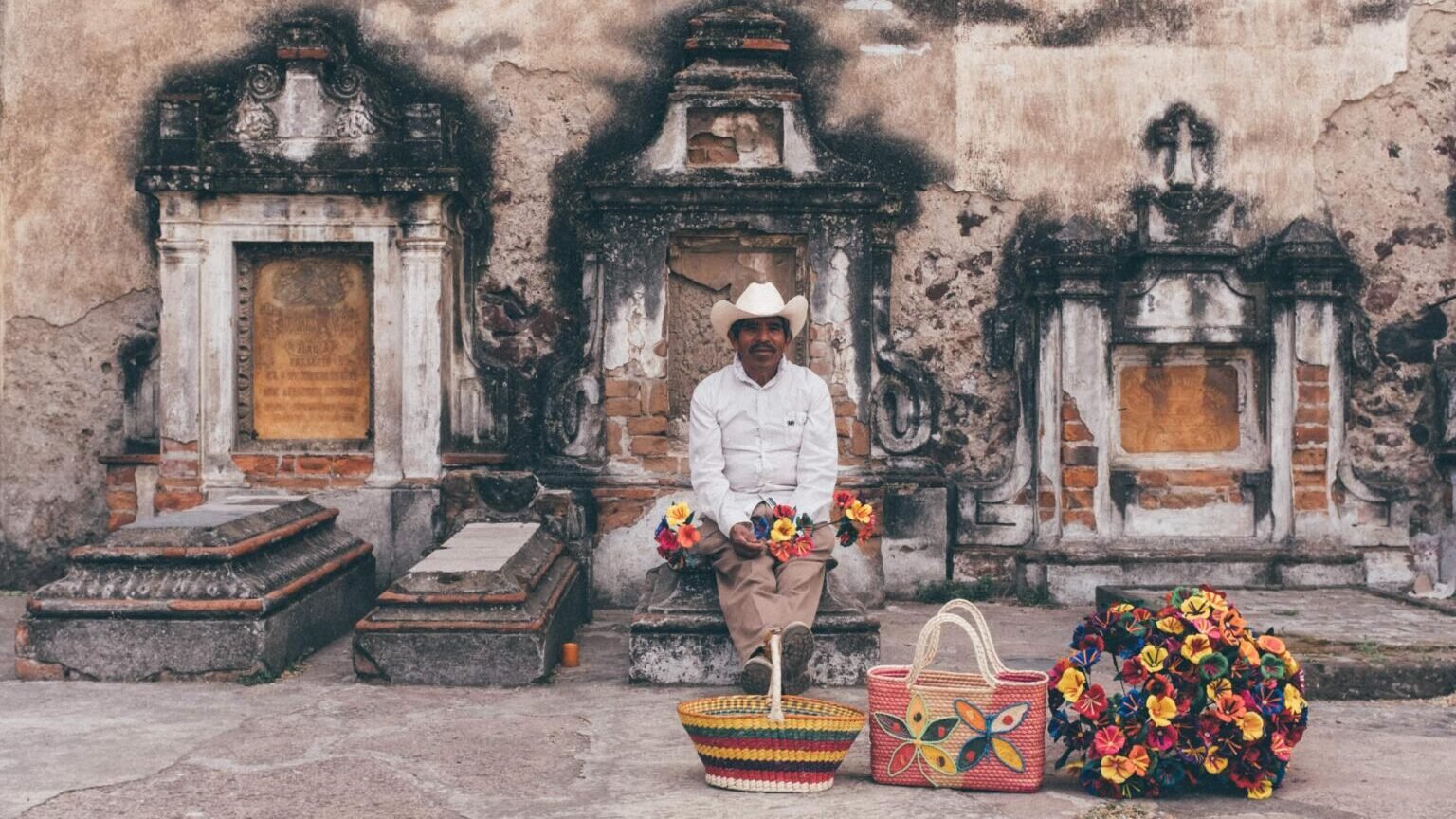
Elsewhere in Yucatan, Chichen Itza is a must. It’s one of the Seven World Wonders, and I found several iguanas roaming around which was also pretty cool. On the downside, there were many dudes selling cheap tat including annoying jaguar whistles. Don’t know what that is? Go to a popular Mexican ruin site and you’ll soon find out! I also liked Bacalar, a more laidback lake spot.
Chiapas is one of the better parts of Mexico. There is plenty of history, incredible people, and natural wonders to keep you busy for as long as you want. Once you’ve had your fill of epic street food, you can ply through the local markets for colourful trinkets, and top it all off hiking through the highlands. Chiapas really has it all!
Another place I couldn’t get enough of was Oaxaca, which had some fantastic places to stay. It’s probably the most picturesque place I saw in Mexico, and walking the colourful streets is a pleasant experience. I also drank mezcal, the local tequila-like poison of choice which left a burning sensation as it slipped down my throat. Then there were the markets, where locals were selling chapulines (grasshoppers), a local delicacy!
Skip the scuba diving. Whilst possible, it’s much cheaper in Honduras.
An alternative to flying into Cancun is to fly to Mexico City. From there, you can easily catch long-distance buses to other parts of the country or Guatemala. Take the opportunity to explore Mexico city a bit while you’re there though. Coming from Europe, where most cities are fairly compact, I was shocked to see how massive the Mexican capital is. A half-day trip to Teotihuacan was my personal highlight, exploring these ancient pyramids. And I also enjoyed taking in a football match at the famous Azteca.
The longer you have to spend in Mexico, the longer you should spend in Mexico. She’s a special one!
Belize – A Land of Paradise Beaches
Quick glance:
- Best for: Beach and water sports lovers, plus Caribbean vibes
- Budget vibe: Expensive – Not quite Western European prices, but it’s pricy for the region
- Time needed: 2-3 weeks
- Getting there: Fly to Belize City, or take a bus from Chetumal (Mexico) or Flores (Guatemala)
- Don’t miss: San Pedro or Caye Calker
- Skip if: You don’t care for beaches or water activities
- Overrated: Belize City is a rotten place… but does anyone rate it to begin with?
- Where to base: San Pedro for an active trip, Caye Caulker to take it slow
- What to remember: Belize City is dangerous – don’t do as I did and walk south of the Haulover Creek
The paradise of Belize is a country that stands out as being different compared to the rest of Central America. For one, English is the official language. It’s also very Caribbeanesque in its culture, a far cry from the Latin cultures you’ll find elsewhere in the region. Occasionally, you’ll come across places with a Caribbean feel in other countries (Livingston in Guatemala, Cahuita in Costa Rica, the east coast of Nicaragua etc.) but Belize is the only country that feels almost entirely like the Caribbean.
Spanish is increasingly spoken as you get closer to the Guatemala border. Belizean Creole is commonly spoken on the coast. But you’ll get by everywhere with English.
In truth, a well-planned Belize itinerary is a great addition to any Central American backpacking trip. Belize is home to some of the best SCUBA diving opportunities anywhere in the North or South American continents. With an abundance of aquatic activity, it’s also a great place to learn to snorkel too.
The outlying reefs off of the coast are a part of the 2nd largest barrier reef in the world! Yeah eat your heart out Great Barrier Reef – these ones aren’t bleached either!
There are also some terrific Mayan sites inland from the coast. The ruins at Caracol are some of the finest in Central America.
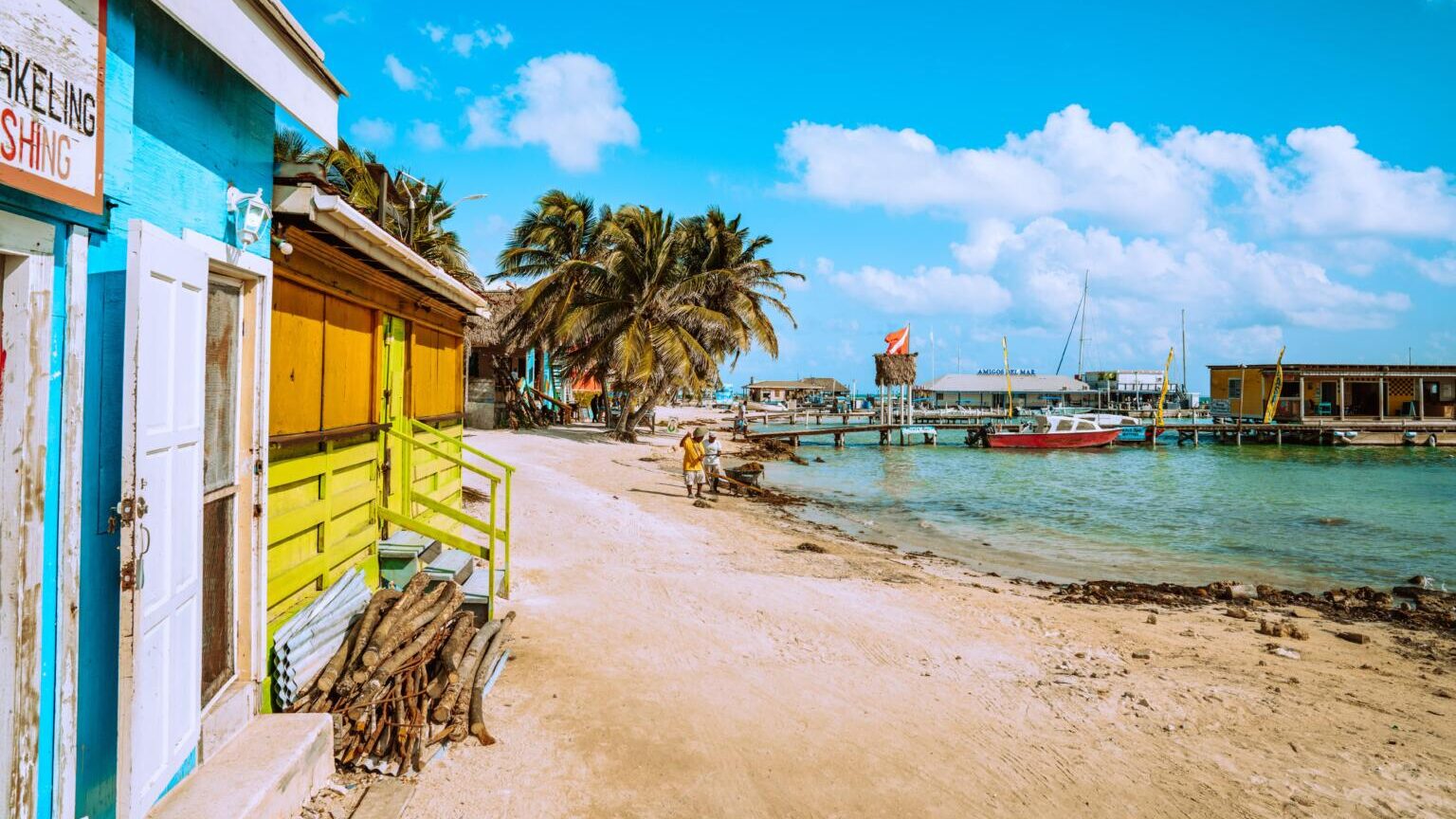
I loved San Pedro, the main hub of Belize’s partying, snorkelling and diving scene. It’s pretty lively, and you can easily zip around in a golf buggy. If you want something quieter, Caye Caulker offers water activities and bars with a much more laidback pace of life. A hurricane split it into two islands, and when I explored the lesser-visited north island, I literally had entire beaches to myself.
Another personal highlight was San Ignacio. I stayed at Yellow Belly Backpackers and met several cool people there, including some who I crossed into Guatemala with. There’s an iguana conservation project at the San Ignacio Resort Hotel where you can learn about and interact with green iguanas. Be careful though, they do scratch, as I found to my expense, and they carry salmonella bacteria. I was ill around a week later, which I put down to food poisoning, but the iguanas could have been the cause.
Whilst backpacking Belize, you absolutely must eat lobster on one of the islands. This beautiful, fresh seafood delight will have a little party on your taste buds for less than half the price of the States.
Guatemala – The World’s Best Adventure Destination?
Quick glance:
- Best for: Adventurers, and young backpackers on a budget
- Budget vibe: Cheap – Activities and tourist shuttles bump prices up, but it’s still one of the most affordable countries
- Time needed: 2-4 weeks
- Getting there: Fly to Guatemala City, or take a bus/shuttle from neighbouring countries
- Don’t miss: Tikal or hiking up Volcan Acatenango
- Skip if: You struggle with activities that require a moderate level of physical fitness
- Overrated: Lake Atitlan is cool, but not the highlight
- Where to base: Flores (for Tikal), Lanquin (for Semuc Champey), Lake Atitlan, and Antigua (for Acatenango)
- What to remember: Solo hiking can be dangerous here with muggers common on trails
Guatemala is hands down one of the most dynamic and exciting countries I have ever backpacked. In fact, I loved it so much that I ended up living in Flores (near Tikal) for six months! It’s undoubtably one of the most beautiful places in Guatemala.
The country is so rich in amazing things to experience. You can try artisanal coffee, chow down on the world’s best tamales (shh don’t tell Mexico!), and experience some of the best hikes in the world in their national parks of volcanoes and jungles.
Mayan cultures are still very strong here. The ruins aren’t so much a relic of a culture lost, but reminders of a culture that remains. I remember walking down my street only to find pieces of obsidian embedded in the dirt road. At Tikal I saw locals performing a Mayan ceremony around a bonfire.
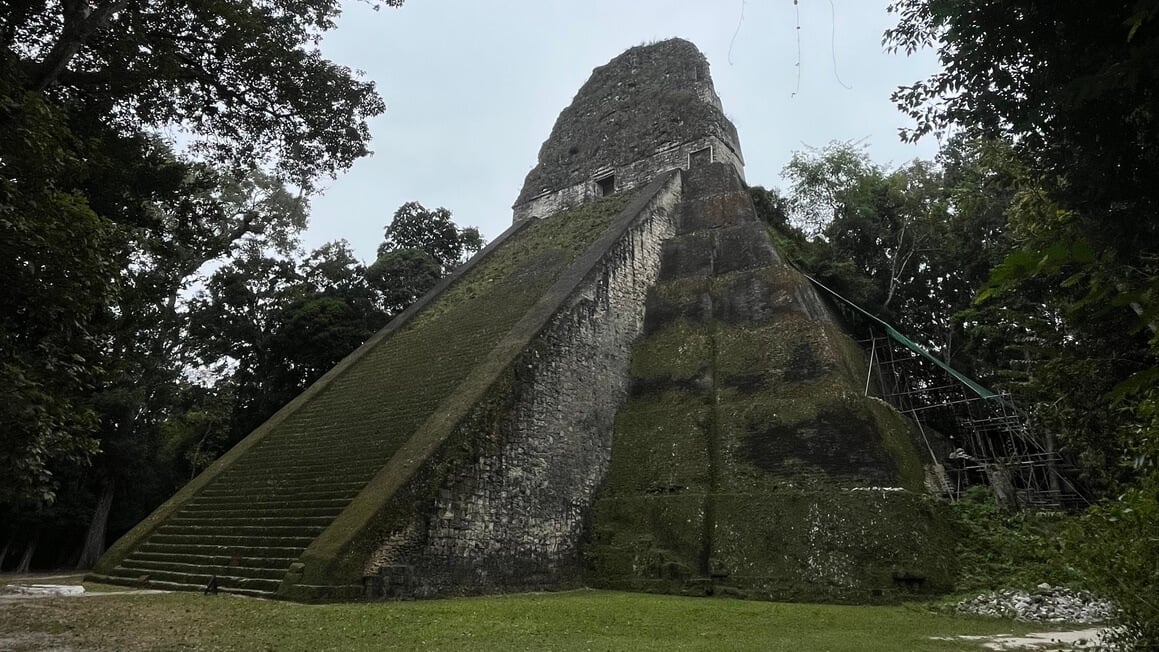
Photo: @joemiddlehurst
The land is very much a life with the people that have occupied here for the last 10 000 years. Tikal is particularly impressive at sunrise, but there are many other Mayan sites to check out, too – like El Mirador.
There are a number of great Spanish language schools in Guatemala if you are keen to learn some Spanish and stay with a host family. Spending a few weeks at a Spanish language school will go a long way if Duolingo hasn’t brought you to proficient levels. Xela is known for good Spanish schools with an easy-to-understand dialect. I went there for football, and it’s a pretty boring city, so you can easily lock in on Spanish for a week or two.
The schools in Antigua are also decent. Not only do you embed yourself with a local family and get the privilege of experiencing the town, but your Spanish skills improve at light speed! Speaking Spanish opens up a whole new world for you on your travels in Latin America.
Check out Semuc Champey and Lake Atitlan while you’re in Guate. They might be touristy but they’re still beautiful! In Semuc I didn’t just see the natural beauty of the place, but also went tubing down the river, and waded through a cave with bat poop-filled water up to my neck (and I’m 6 ft 3, so I’m not sure how smaller folks managed).
For a true change of pace, you could even try out the boat life by volunteering on a sailboat in the Rio Dulce. Oooh boy, the sailors are a funny bunch down there! At the end of the river you have Livingstone, Guatemala’s Caribbean-like town which will transport you back to Belize in terms of culture and lifestyle. The only noticeable difference is Guate’s Gallo beer over Belizean Belikin.
You will fall in love with Guatemala, it’s unavoidable. I’m most certainly counting the days until I return…
El Salvador – Lesser Visited Yet Safer To Travel Through
Quick glance:
- Best for: Surfers, crypto bros, and anyone who wants a safer flavour of Latin America
- Budget vibe: Cheap – Average costs are slightly higher than some countries here, but short distances and fewer activites slash overall spending
- Time needed: 2 weeks
- Getting there: Fly to San Salvador, take a bus from Guatemala/Honduras, or take a boat from Potosi (Nicaragua)
- Don’t miss: Santa Ana Volcano and nearby Lago Coatepeque
- Skip if: As their own motto goes… don’t skip El Salvador!
- Overrated: I found the beaches a bit underwhelming, but perhaps surfers will see differently
- Where to base: Santa Ana and San Salvador are nice bases, El Tunco for beach life
- What to remember: The US dollar is the currency, but Bitcoin payments are also common
They say “don’t skip El Salvador” because many backpackers bypass this little nation wedged into a small corner of Central America, heading straight from Guatemala to Honduras instead. For years, it was kinda understandable because this was the literal murder capital of the world. Fast-forward to 2022, President Bukele annihilates the gangs, and suddenly this is the safest country around here.
I went 2 weeks after 80 murders in a single weekend which is what triggered the crackdown to begin with. And the difference was instantly noticeable. The only two moments that felt slightly unnerving were seeing a man with full facial tattoos (signs of gang membership) and hearing a loud bang in San Salvador. The lack of reaction from all locals made me realise it wasn’t gunshots!
I started in Santa Ana which is a real gem of a colonial city. Exploring the main square, cathedral and markets here is fun, but the real beauty comes in the form of Santa Ana Volcano, a relatively easy 4-hour round trip hike that you can do in normal trainers, and nearby Lago Coatepeque. I only saw the lake from the top of the volcano though, as transport cockups meant I would’ve been stranded if I stayed behind to check it out. Didn’t fancy risking that at the time, but perhaps now would be different.
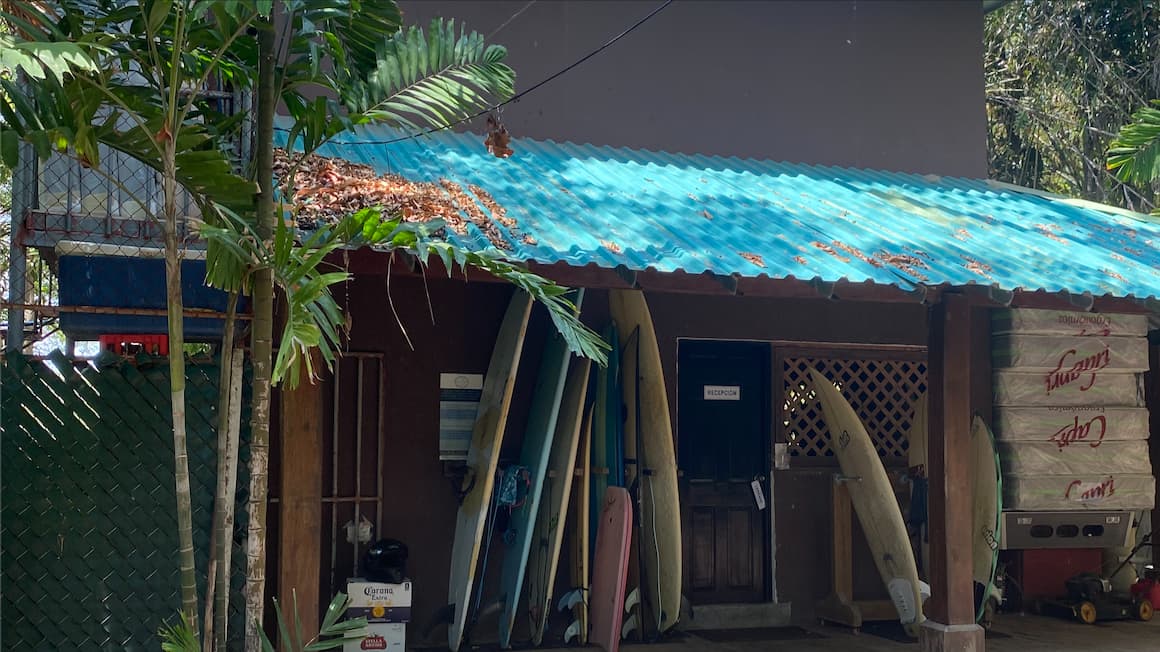
Photo: @amandaadraper
Straight off the bat, El Salvador has some of Central America’s best and least frequented surf beaches. The Town of El Tunco is a fantastic backpacker hub. La Libertad is another great beach town with excellent surf. Near El Tunco is El Zonte, known as “Bitcoin Beach” as it was meant to take off as the world’s first crypto-first hub. Was pretty underdeveloped to me though.
The Montecristo Cloud Forest is a beautiful place to hike. Since El Salvador is not as popular with backpackers, there is ample opportunity to venture off the beaten path. But don’t worry, there are also plenty of great places to stay in El Salvador.
So bring your surfboard, ok? When you need to leave it behind to go hiking for a few days, the local hostels are more than happy for you to do so.
The capital San Salvador is another place I enjoyed, and there are some great places to stay. It feels like a blend of Spanish colonial architecture, and modern Americanised shopping malls. Alongside Panama City, this is the only Central American capital I’d say is developed, and pretty safe. You can also visit a volcanic crater (El Boqueron) by Uber which makes for a fun morning.
Honduras – Mecca For Divers
Quick glance:
- Best for: Divers mostly
- Budget vibe: Cheap – But expensive if you dive/take tourist shuttles
- Time needed: 2 weeks
- Getting there: Fly in or cross overland from neighbouring countries
- Don’t miss: Copan Ruinas, or (for divers) the Bay Islands
- Skip if: The Bay Islands if you don’t dive – they get boring fast
- Overrated: The cities are pretty dodgy, but the Bay Islands get boring if you don’t dive
- Where to base: Copan Ruinas, then Utila/Roatan
- What to remember: Use tourist shuttles to get around, as this is the most dangerous country in the region
Do you want to get PADI SCUBA certified on your backpacking Central America adventure? Head to the Bay Islands, amigos! This is one of the cheapest places in the world to get certified for SCUBA diving.
The legendary island of Utila is a backpacker’s paradise. There are more than a dozen dive centres to choose from. Roatan is a bigger island that caters more to cruise ships and older tourists. It is more expensive than Utila, but the SCUBA diving is arguably better. I would say though that the Bay Islands are skippable if you don’t dive.
The ruins at Cópan Ruinas are the most significant in Honduras. They’re near the Guatemala and El Salvador borders. I failed to make it there in one day from San Salvador however, due to slow and unpredictable transport. But when you arrive, the town is one of the safest in the country, and the macaws add a bit of colour and flair to the ruins.
Pico Bonito National Park is another major highlight of the country. There is an abundance of wild camping and hiking potential in the park. I never made it to Lake Yojoa myself, but was told it’s worth visiting, and one of the safest areas in the country.
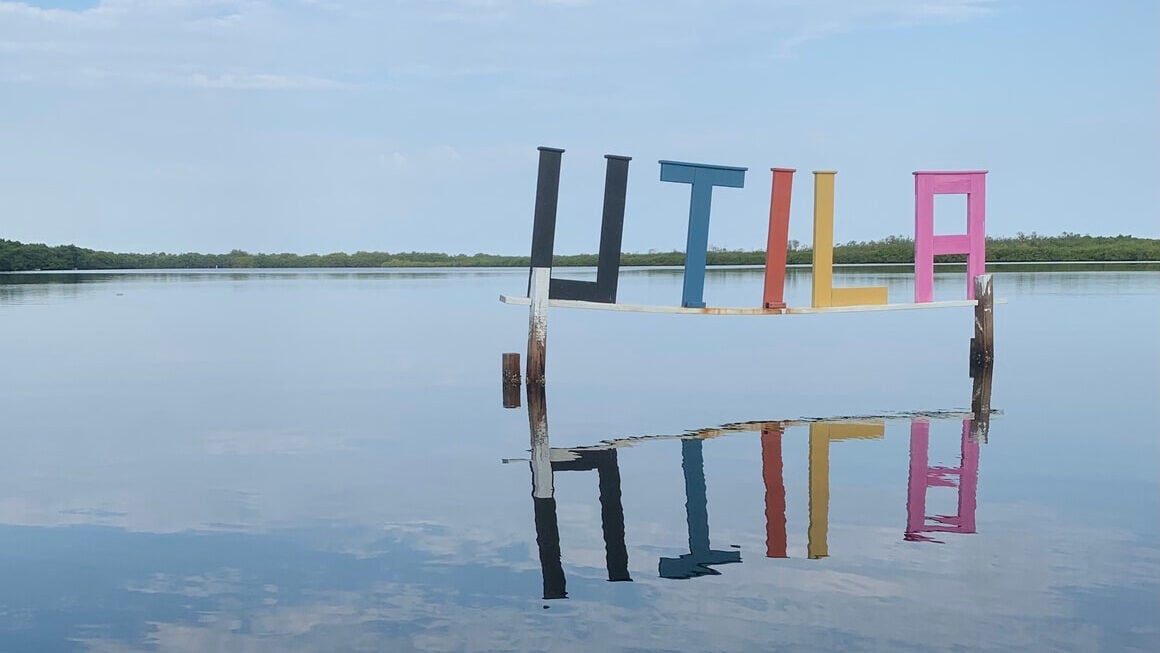
Photo: @joemiddlehurst
Honduras often gets skipped over by backpackers – except for Copan and Utila. The rest of Honduras seems to remain off the beaten path!
This is a bit of a shame considering there are some epic jungle hikes, and even a sneaky surf beach or two. It’ll definitely be less touristy so your Spanish better be up to scratch. 😉
In all seriousness, as this whole Central America backpacking thingy is very serious, if connecting with locals and seeing a more local side to a region is up your alley – Honduras is the place for you to explore.
Nicaragua – Adventure On A Budget
Quick glance:
- Best for: Adventurers, volcano lovers, surfers and budget backpackers
- Budget vibe: Cheap – Easily the cheapest country in the region
- Time needed: 2-3 weeks, add 1 more for the Corn Islands
- Getting there: Fly to Managua, take a bus from Honduras/Costa Rica, or take a boat from Union (El Salvador)
- Don’t miss: Boarding down Cerro Negro Volcano
- Skip if: You prefer relaxing on beaches instead of rugged adventures
- Overrated: Nothing really, Nicaragua is insanely good all round (except Managua, but no one rates that anyway)
- Where to base: Leon, Granada, Ometepe Island and San Juan del Sur
- What to remember: Stock up on cash as card payments are only really accepted in major towns/cities (Leon, Granada, Managua)
My favourite country in Central America, and one of my top 5 in the world after visiting over 100 to date. I LOVE Nicaragua. And I’m clearly not the only one, it’s rapidly becoming a bit of a backpacking capital within Central America. It’s the cheapest nation in the region, one of the safest (outside dodgy capital Managua), and has a ton to offer.
The Pacific Coast is brimming with surf beaches, funky yoga retreat centres, and ex-pats in addition to friendly locals. The colonial cities of Granada and Leon have beautiful architecture, grand plazas, and strong ties to the sinister Sandinista movement (FSLN).
The FSLN gripped Nicaragua in the 1980s, lost power in 1990, but came back in 2007 and established a dictatorship that has stood since then. Unfortunately, whilst Nicaragua is wonderful for tourists, it sucks for locals who are incredibly poor and have limited freedoms.
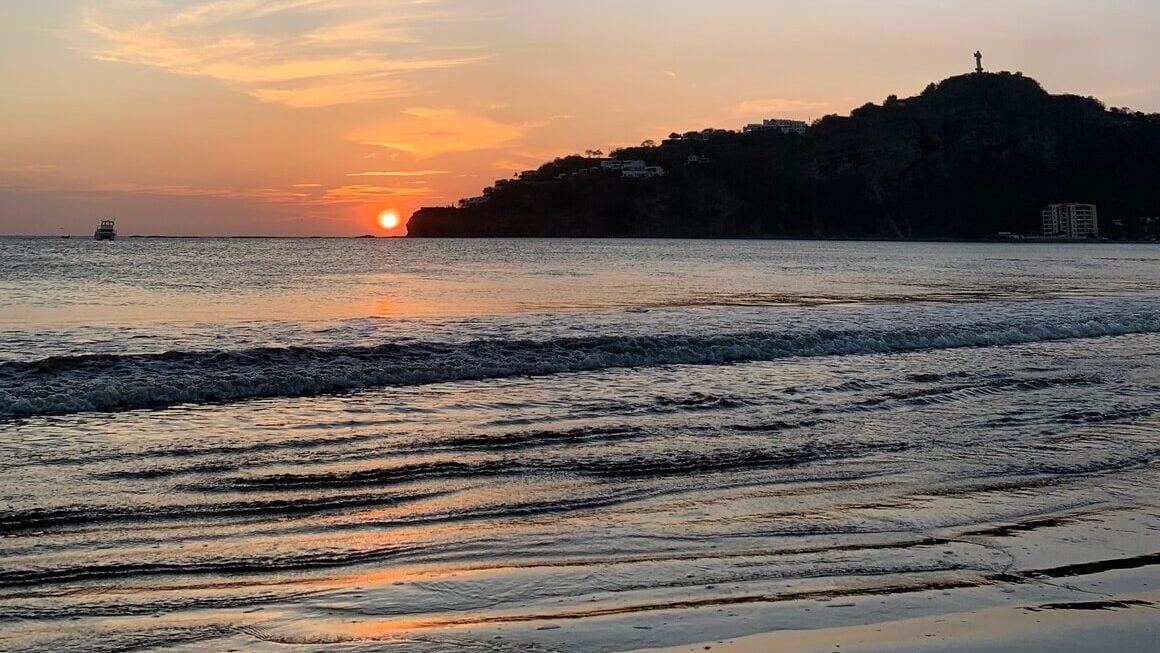
Photo: @joemiddlehurst
Ometepe Island is surprisingly underdeveloped in many areas. You can rent motorbikes and really explore what the island has to offer. If you like waterfalls, motorbikes, swimming, and rum, head to Ometepe for a few days. It was my highlight, and getting lost in nature at Charco Verde was a particular highlight.
The river and jungle areas of Nicaragua’s interior are wild and full of adventure potential. The Corn Islands off of Nicaragua’s Caribbean beaches are the most far-flung destinations in Central America. Much more expensive though.
It is no easy effort to arrive there (without flying). Once you do, you will be rewarded by the lack of backpacker hordes.
Nicaragua is the cheapest Central American country overall. So have a blast without breaking the bank, aye!
Costa Rica – World Class Wildlife
Quick glance:
- Best for: Fans of wildlife, jungles, nature and beaches
- Budget vibe: Expensive – The priciest country in the region in all areas really
- Time needed: 2-4 weeks
- Getting there: Fly to San Jose or take a bus from Nicaragua/Panama
- Don’t miss: Tortuguero, the best wildlife spot in my view
- Skip if: You’re on a very tight budget
- Overrated: The country overall in my view – magical for wildlife, but lacking in the wow factor of neighbouring countries
- Where to base: You’ll pass through San Jose often, but don’t spend longer than needed there
- What to remember: Take guided tours – it’s far more enjoyable than going solo as guides are trained to spot wildlife and explain everything well
Costa Rica is the long-standing wildlife capital of Central America. Backpackers have been flocking here in search of that pura vida for decades. Costa Rica offers pretty much everything you could ask for: endless biodiversity, cloud forests, amazing beaches, huge parties, and an overall easygoing vibe.
The thing is, Costa Rica lives up to the hype in that respect. All along the Pacific Coast and then back through the jungle to the Caribbean Coast – Costa Rica is really a slice of paradise. Camp out on the beaches as much as possible – trust me, it’s fun!
Explore the Costa Rican national parks. Learn how to surf. Drink coconut water every single day.
Make new friends and have the time of your life exploring this special place! I can guarantee that you will come back to Costa Rica for more someday. I sure did.
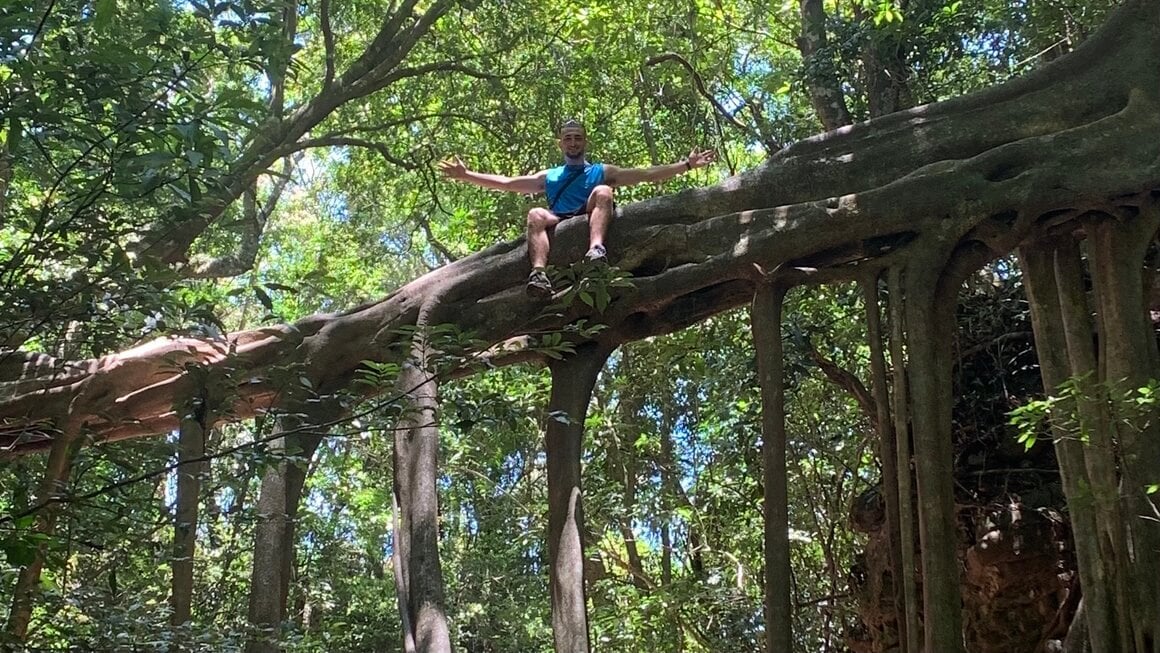
Photo: @joemiddlehurst
With so much natural beauty, it’s no surprise that Costa Rica is full of great hikes. The Arenal Volcano area is particularly packed with excellent trails.
Costa Rica has the reputation for being one of Central America’s most expensive countries. Unfortunately, that reputation is true.
That said, exploring this magical country is bound to be a highlight of your backpacking trip. Budget travel in Costa Rica is entirely possible. It just takes a little more effort than backpacking in one of the neighbouring countries.
Oh, and skip San Jose. It’s gritty, boring, a little unsafe, and has none of the stuff that makes Costa Rica decent.
Panama – Beaches, Parties And Endless Beauty
Quick glance:
- Best for: Party animals, nature lovers, and beach fans
- Budget vibe: Expensive – Not quite as bad as Costa Rica or even Belize, but still pricy for the region
- Time needed: 2-4 weeks
- Getting there: Fly to Panama City or get a bus down from Costa Rica to David (and don’t stay in PaCasa Hostel)
- Don’t miss: Bocas del Toro
- Skip if: You’re running low on cash after exploring the other countries down here
- Overrated: Panama City is okay, but only okay
- Where to base: Colon Town on Bocas, but you’ll probably also reach Panama City at some point
- What to remember: You MUST have proof of onward travel to enter. I almost didn’t get in because of this
Ok, straight off the bat: Panama is much more than just a tax haven for rich guys. There are some pretty epic volcanoes and jungles to go romping through and the Caribbean Coast is full of some pretty epic slices of paradise!
I would say that Bocas Del Toro is the highlight. There is great scuba diving and fishing, as well as wild parties. Filthy Fridays which take place once a week (I’ll let you guess the day) are when the atmosphere really goes off on Colon Island. My particular favourite places were Playa Estrella, where giant starfish were visible all over the sea, and the jungles which where I found tiny poison dart frogs – they have different colours on each island!
Like Costa Rica, Panama has some fantastic wild jungles and forests once you escape the numerous banana and palm oil plantations. Baru Volcano National Park is a good place to start exploring.
The San Blas Islands are stunningly beautiful as well. Going through the San Blas Islands is a popular way that backpackers end up getting to Colombia and beginning their South America travels. Really, if you want to be exploring these low-lying islands by boat – you could try volunteering on a sailboat in the area! This is a rare activity in Central America which is absolutely NOT broke backpacker friendly.
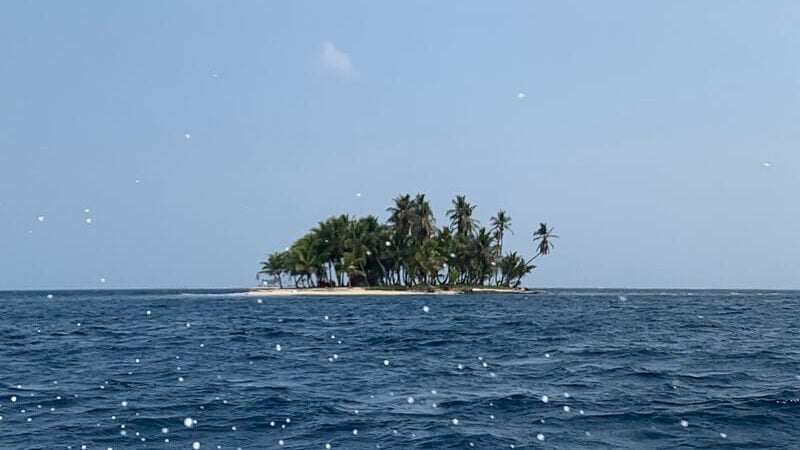
Photo: @joemiddlehurst
Panama City is a huge sprawling metropolis where one can find some civilization and the associated annoyances. The international airport in Panama City is the main hub for transportation for the region – including flights south to Colombia.
You can visit the famous Panama Canal. I didn’t because it was closed for viewing on Mondays (that’s no longer the case), but apparently it’s not that exciting unless you’re a real engineering nerd.
Still, Panama City has some great hostels and interesting sights. I’d recommend climbing the hill to get some epic views of the place.
Off the Beaten Path Adventures in Central America
The so-called gringo trail is definitely a thing here. There are certain hotspots where backpackers congregate. While there are plenty of spots on the gringo trail worth visiting, there are ample opportunities to get out and really explore. Indigenous villages, far-flung jungles, isolated beaches, remote mountains, winding rivers, and plenty of national parks provide an eternity of off-the-beaten path adventure potential.
Diriamba in Nicaragua is one place I visited solely for football. But it also had an abandoned aeroplane plonked randomly in the middle of the city, and cool local markets with zero gringos around which was cool. Skip it unless you have a lot of time, but it can be fun for a few hours if you fancy something a little different.
The Ixil Region in Guatemala, home to rich Mayan cultures and more rugged terrain, is another spot worth seeing. And southern Panama, home to the notorious Darien Gap, is reached by few tourists, but can be perilous.
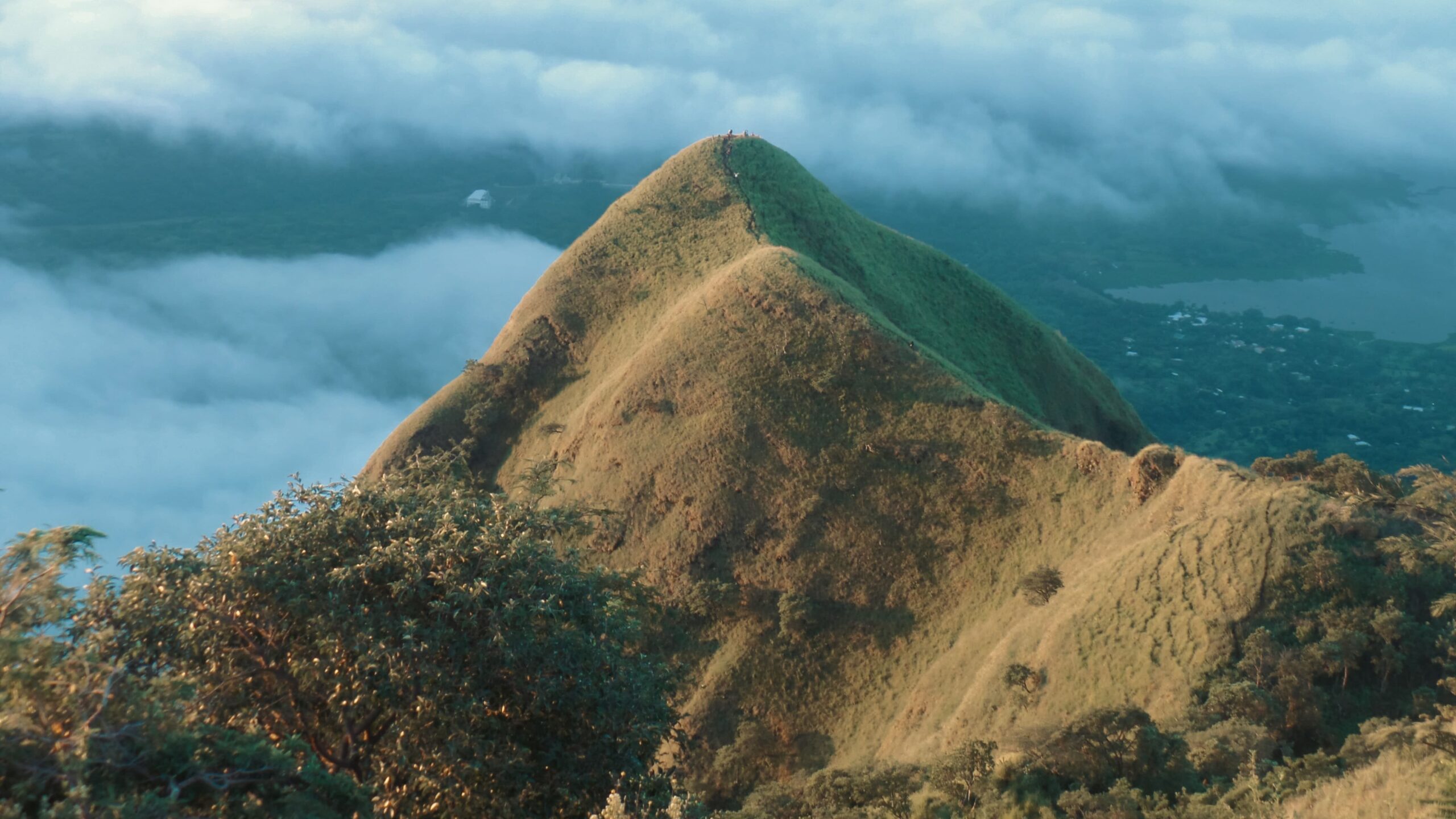
Honduras and El Salvador are two countries that get almost entirely overlooked! This to me is crazy, as I met people who had some of their best memories surfing in El Salvador and tramping through the Honduran jungle. Whilst I’m no surfer myself, I still enjoyed Santa Ana and San Salvador.
One of my top tips for travelling off-the-beaten-path is to hire your own wheels. If you can convince a few mates to join you, it’s actually a super affordable way of travelling… and bloody good time!
You’ll get the freedom to decide where you want to go and when. It will save you from the dangers of chicken buses, and tourist shuttles that restrict you to popular routes.
Top Things to Do in Central America
It’s not finding something to do that’s tricky in Central America – it’s picking what to do first! There are some truly spectacular adventures to be had: above, below, and on the water. Whether you end up hiking up a volcano, sailing the Caribbean coast, diving from time to time, or exploring Mayan ruins, there are numerous rewards to be found!
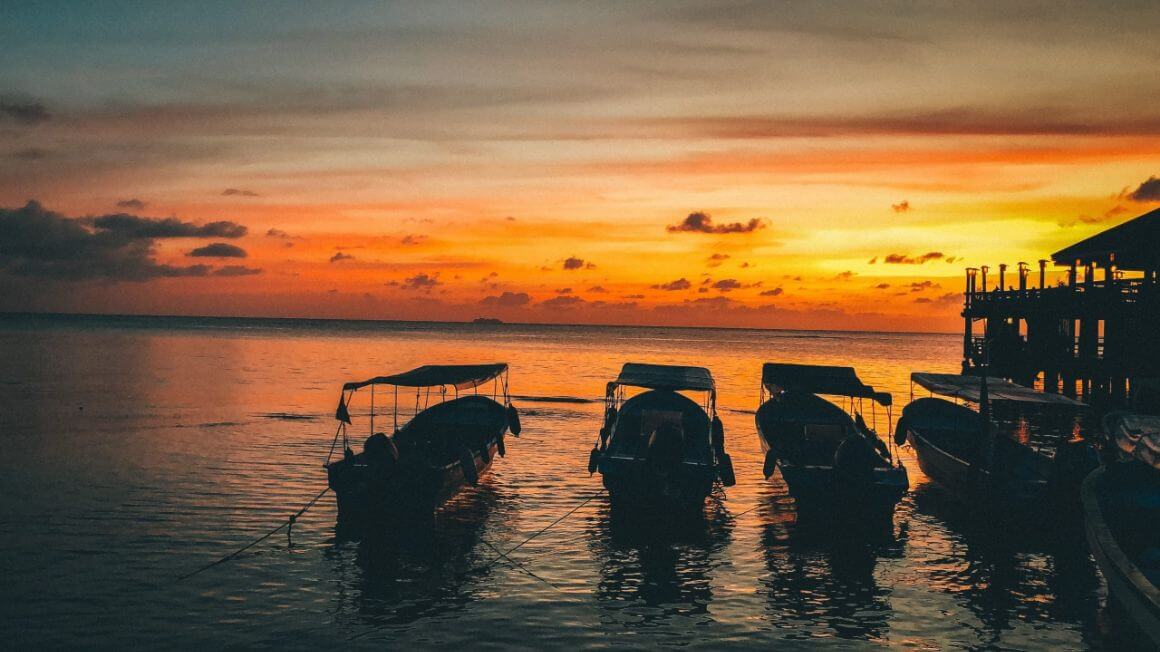
But the jungles, the Mayan culture, the street food, and the markets are also incredible. The more friends you make with artisans, the more likely you are to suddenly know how to make macrame. This is a bit of an obscure thing to do, but it is a handy backpacker job in a pinch!
Anyway, whatever you end up doing in the region, you know it’s going to be a good time. Here are my top picks:
1. Get your open-water diving certification
You can SCUBA dive in pretty much every country here, and getting your certification will open up a whole new world of travel possibilities. The reef off Cozumel is pretty epic; as are the reefs off Belize. The cheapest place to get your actual certification is in Utila, Honduras, and pretty much everyone I met on the island was there to dive. I went there as a non-diver and was basically the only one.
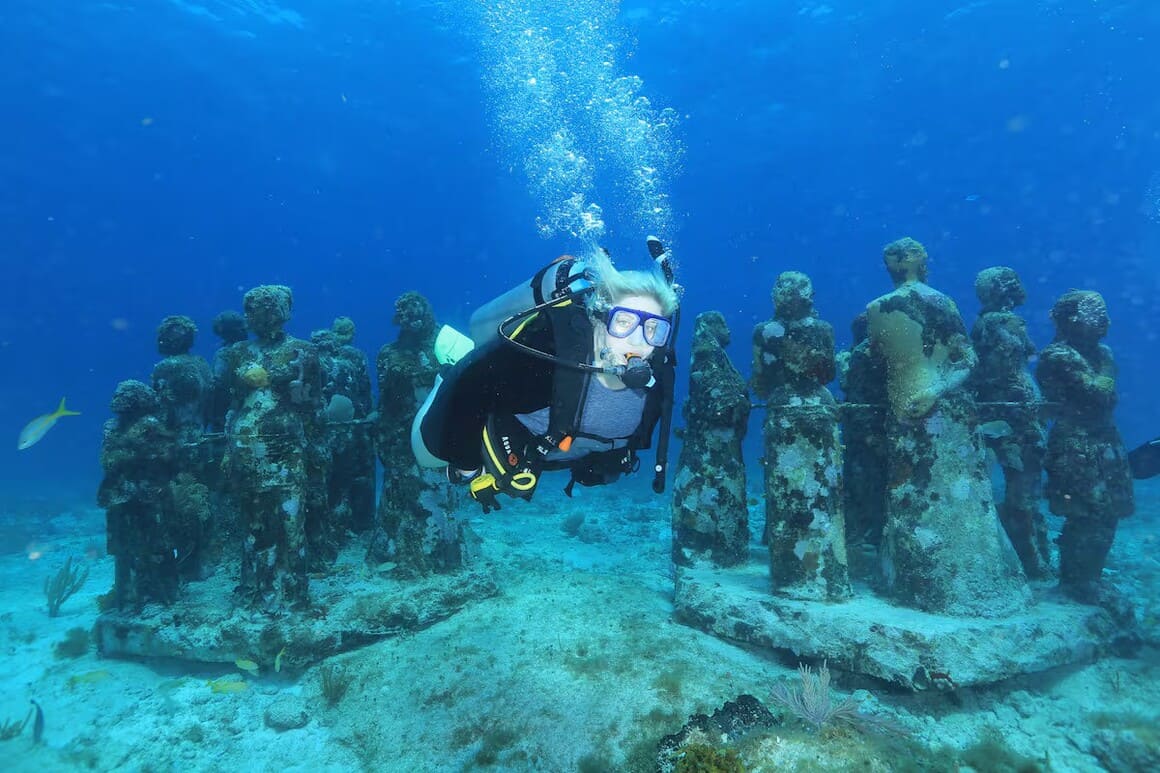
I kinda regret that as everyone told me that diving life is unreal! Not only do you get to make friends with the fish, but you also get to indulge in the whole diver lifestyle. Plus, there’s a fair bit of drinking and partying involved too.
2. Discover the delicious flavours of Central America
Delicious, bold, and full of flavour. Handmade tortillas, slow-cooked meats, tropical fruits, and cheap prices. Get ready to eat your way through Central America, with the tastiest meals coming from tiny street stalls or hole-in-the-wall spots where the locals eat, if you’re a foodie you are going to be in heaven.
Tacos in Mexico, pupusas in El Salvador, and baleadas in Honduras are popular. But perhaps lobster in Belize is the pick of the bunch, as this is one of the cheapest countries to tuck into the crustacean of choice for the better-off.
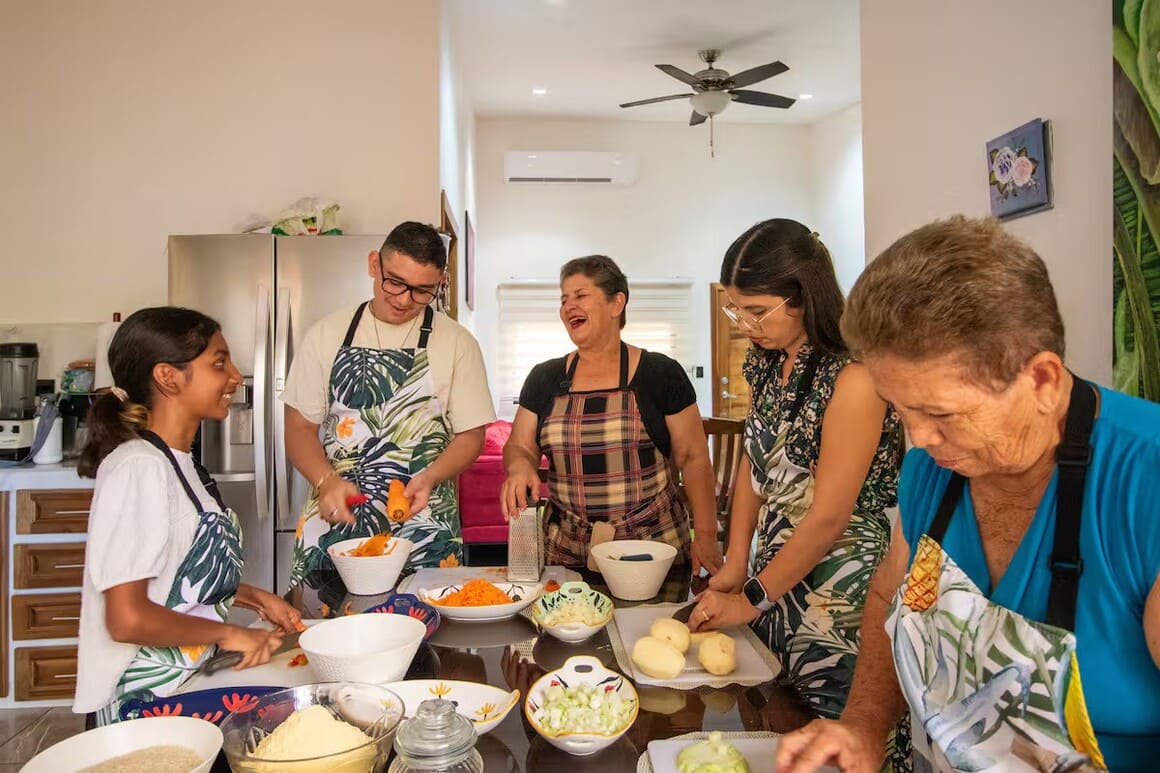
Eating is fun, but learning to cook it yourself? Next level. This cooking class gives you a hands-on way to dive into the local culture, learn family recipes, and pick up new skills from a trained chef you can take home. Plus, it’s a great excuse to eat even more (for research, obviously).
3. Stay in a treehouse
The original writer of this piece said that one of the coolest places he stayed in EVER in 10 years of travel was atop a 35-meter treehouse in the middle of the jungle just south of Manzanillo (south Caribbean coast, Costa Rica). The place is called the Nature Observatorio, check it out.
I have another recommendation. Just to make sure you knew it was a treehouse, and located in Nicaragua, they call it Treehouse Nicaragua. It is famous for its wild parties with a DJ every Friday night. I arrived on a Saturday when the mood was a little sombre with most people feeling worse for wear.
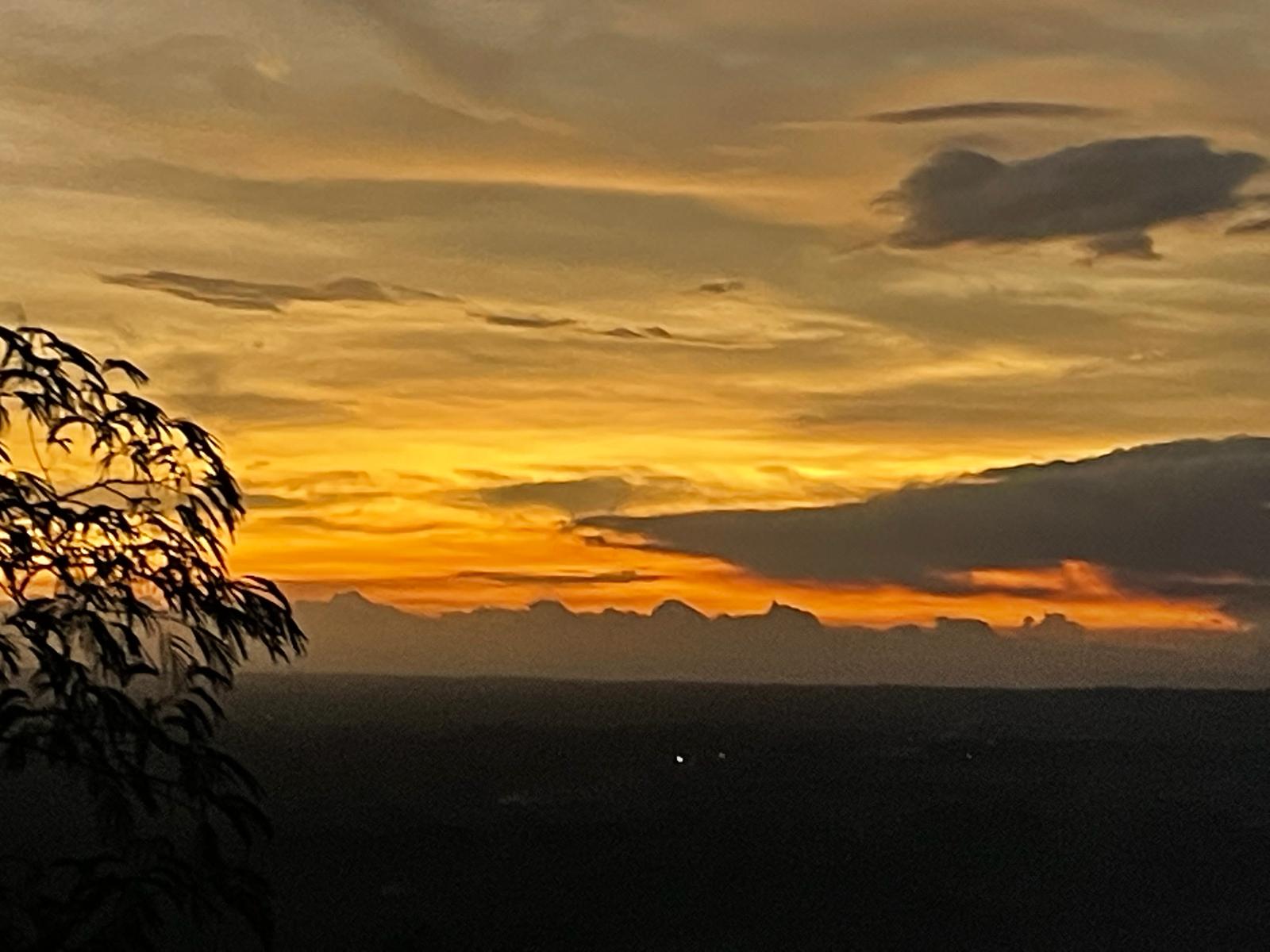
Photo: @alexjbrownn24
But I came to experience chilling amongst the trees with the sounds of nature in the distance. And on that front, it definitely delivered. The sunsets are spectacular, and seeing the monkeys is awesome. Just be aware that there are a lot of creepy crawlies here. It is the jungle after all… You can get here easily from Granada – they run free shuttles for guests.
4. Ride the waves!
Nicaragua and Costa Rica in particular are world-class surf destinations and great places to learn, but the entire Pacific Coast of Central America is full of epic surf spots. El Salvador is a surfing hotspot that is overlooked – and that’s a shame!
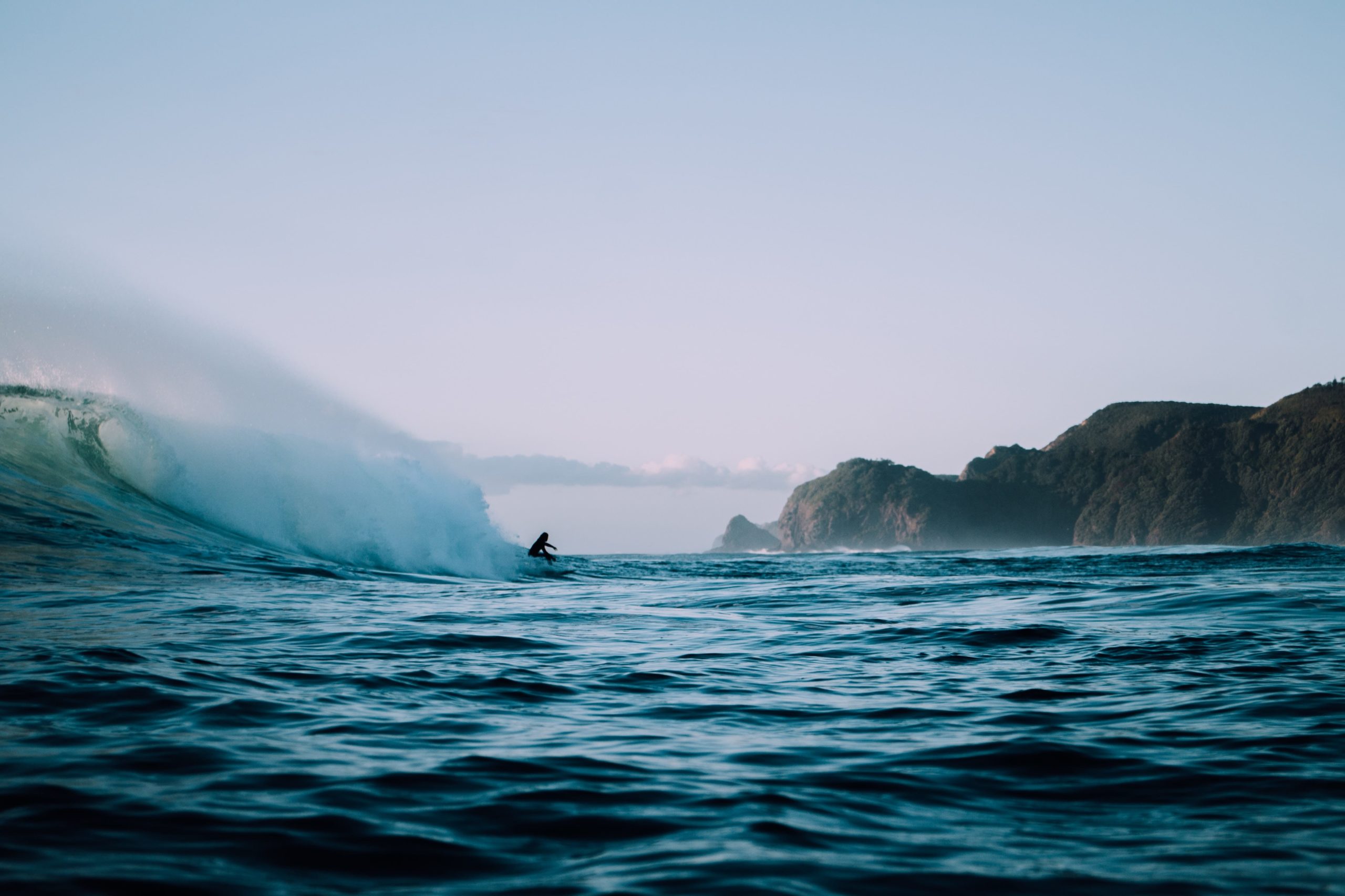
So all you surf fans need to pack your boards and get on down to Central America. A delightful trip awaits you! Plus, we all know the rules of surfing life. Dawn surf, beers for lunch, party all night.
5. Visit the Cenotes in Mexico
Cenotes are a little slice of magic. They’re these clear, blue swimming holes sunken into limestone earth. The best swimming holes on earth are found in the Yucatan Peninsula in Mexico. The Maya used to use them for water sources… or dropping dead people…
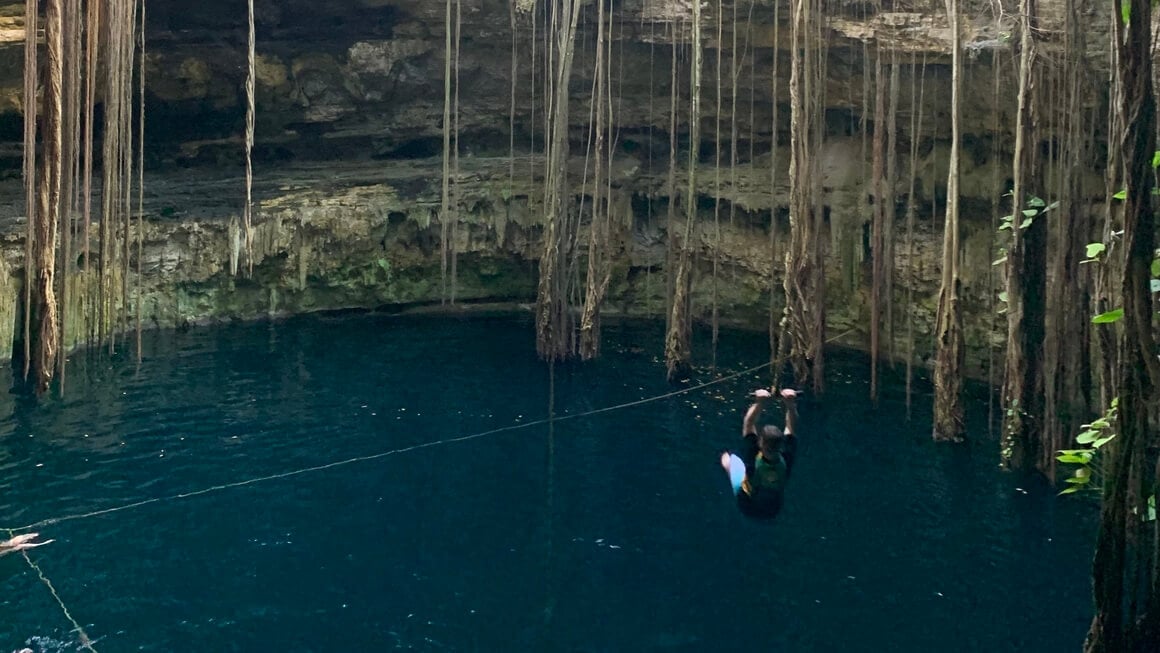
Photo: @joemiddlehurst
Today, there is almost something mystical to these locations. And even the popular ones are awesome.
It’s really out of this world to be able to see up to 50 metres deep! Plus, the cold water is such a welcome relief when you’re sweltering through the Yucatan’s humidity.
6. Go Whale Watching in Baja
Baja California is one of the world’s top whale-watching hotspots, with over eight species showing up along its coastlines each year. From gray whales migrating in their thousands to calve in the shallow Pacific lagoons, to blue whales, humpbacks, and orcas cruising the Sea of Cortez – Baja’s waters are full of giants from January to April.
Ever since whaling was banned in Baja, there’s been this strange, unspoken truce between whales and humans here.
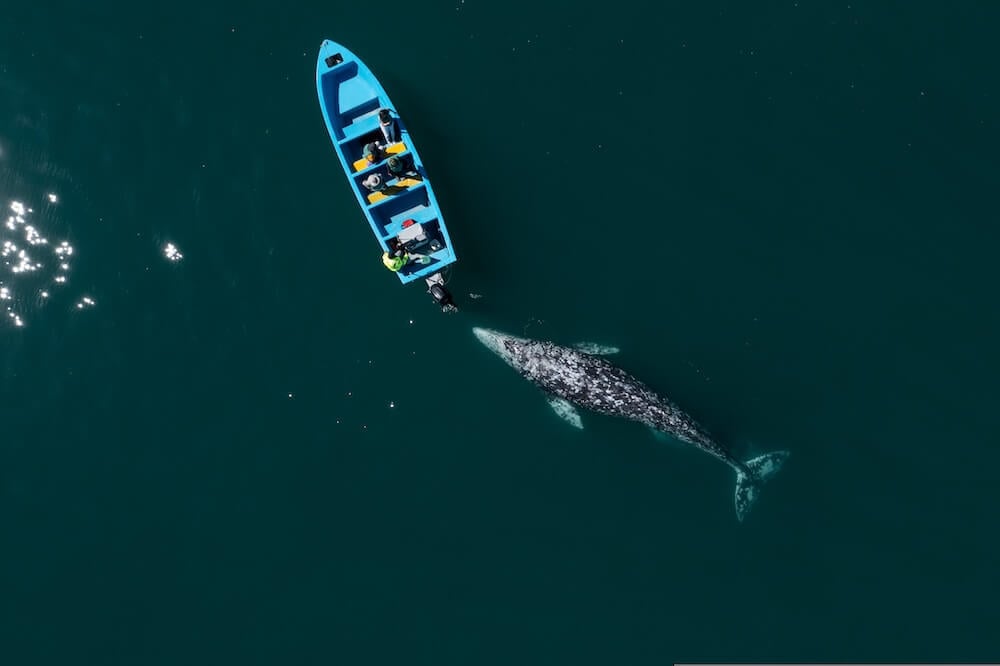
The grey whales haven’t just stuck around; they’ve started actively seeking out humans. Yep, these massive creatures will cruise right up to your panga for a good old-fashioned head rub. No one really knows why, but it’s become a signature Baja experience.
This is the only place on the planet where grey whales initiate contact like this. Hang around long enough, and you’ll probably get a gentle nudge from one, like an ocean-sized puppy demanding attention.
To experience this, you do need to book a tour. There is heavy regulation in Baja to protect these magnificent animals, and there are only a handful of licensed boats that are legally allowed to operate.
If you want to experience it for yourself, there are a few tours that can take you here; our favourite is The Broke Backpacker founder, Will Hatton’s Baja Gray Whale Expedition. It is a seriously incredible option for those wanting to invest in the experience.
7. Volcano Boarding in Nicaragua
This activity speaks for itself: charge at top speed down the side of a volcano! And this is just about the only place in the world you can do it! Oh, and you get a free t-shirt thrown in. I still have mine today.
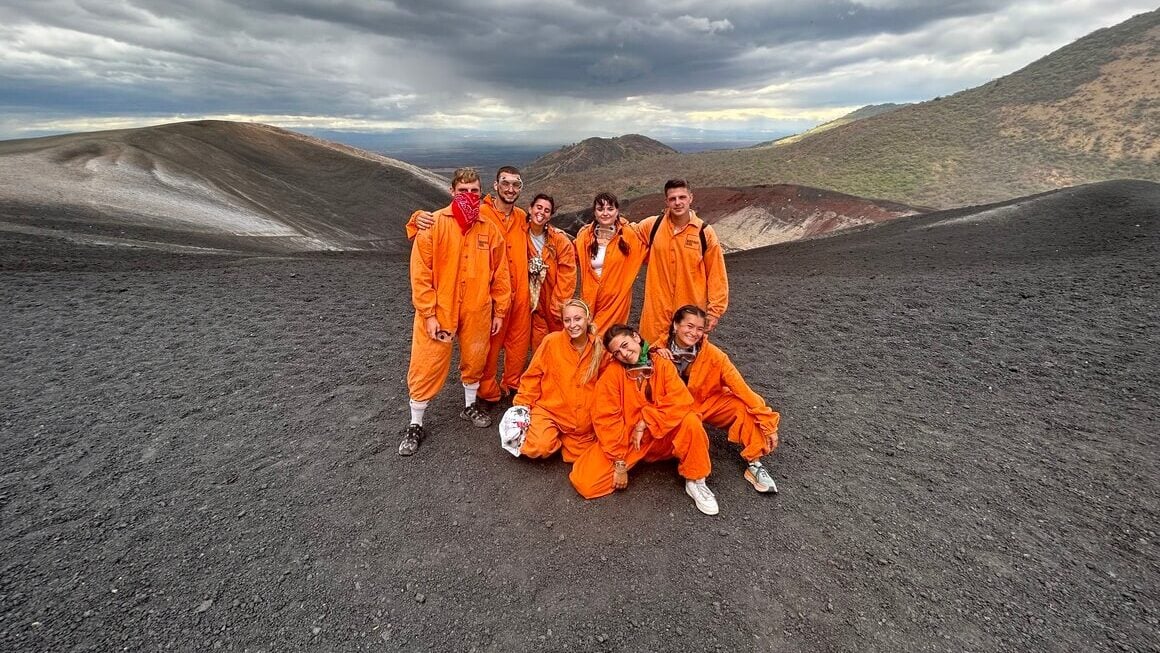
Photo: @joemiddlehurst
It’s a lot of fun and the scenery is not too bad either. It can be kinda scary though as your board picks up speed and you whizz towards the bottom whilst struggling to keep control. I followed all the safety instructions though and was fine, even though I went flying through the gravel at the bottom.
8. Visit the San Blas Islands in Panama
Whether you are a party animal or beach lover (or both) – a trip around the San Blas islands is one you’ll never forget (or will never remember, depending on rum consumption).
If you are sailing at your own pace, you’ll be able to get into the swing of island life and see some of the cultures there. Most people simply pass through – which is all well and good and you’ll definitely still have a dope party time! But to really understand how incredibly stunning – but also unique – San Blas is, then you’ll need to slow down and spend some time there.
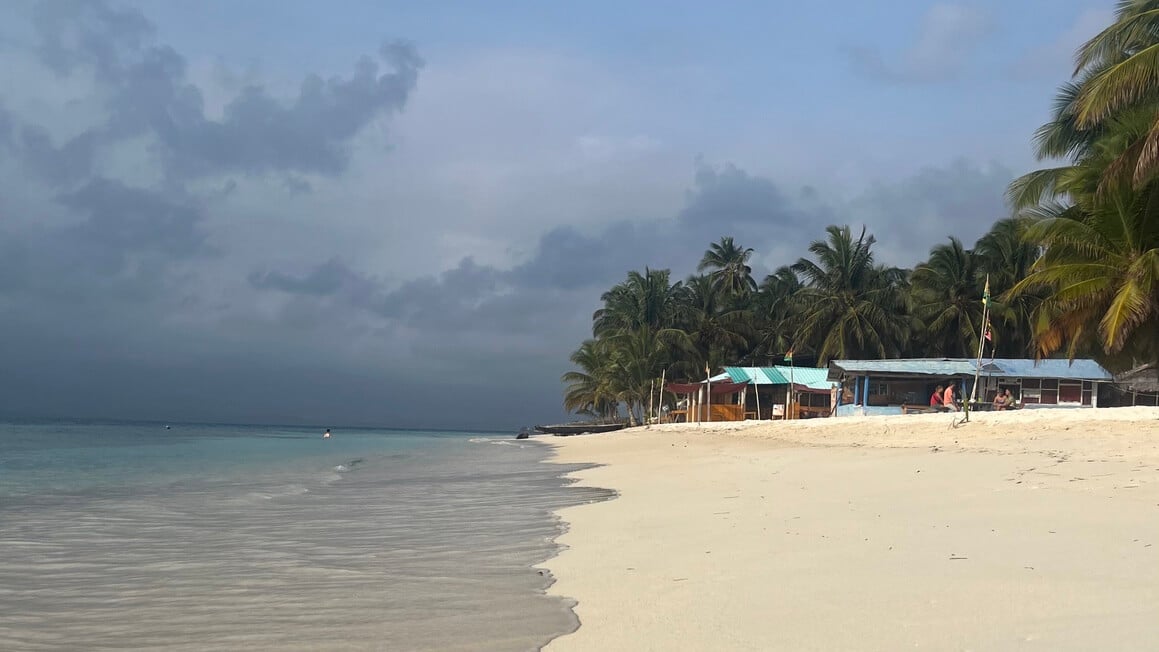
Photo: @joemiddlehurst
San Blas is the black sheep of Central American activities though. Unlike virtually everything else in the region, this is gonna hurt your budget. It will cost in the low hundreds of your preferred western currency (£/$/€), but you can book a day trip for under £100 if you wish to sample a small flavour of paradise!
9. Watch Volcan de Fuego Erupt
Quite possibly THE most awesome thing I’ve seen in over 100 countries so far. I mean, it’s not often you see literal lava blasting out a volcano, but you can do that here during a Guatemala backpacking adventure. You need to hike up Volcan Acatenango and camp out on the side overnight to see this.
Don’t get me wrong, the hike is tough. I even slipped off the side of the volcano on the way back down, and that’s why I’ll tell you loud and clear that you should not wear trainers for this trip. Hiking boots are essential.
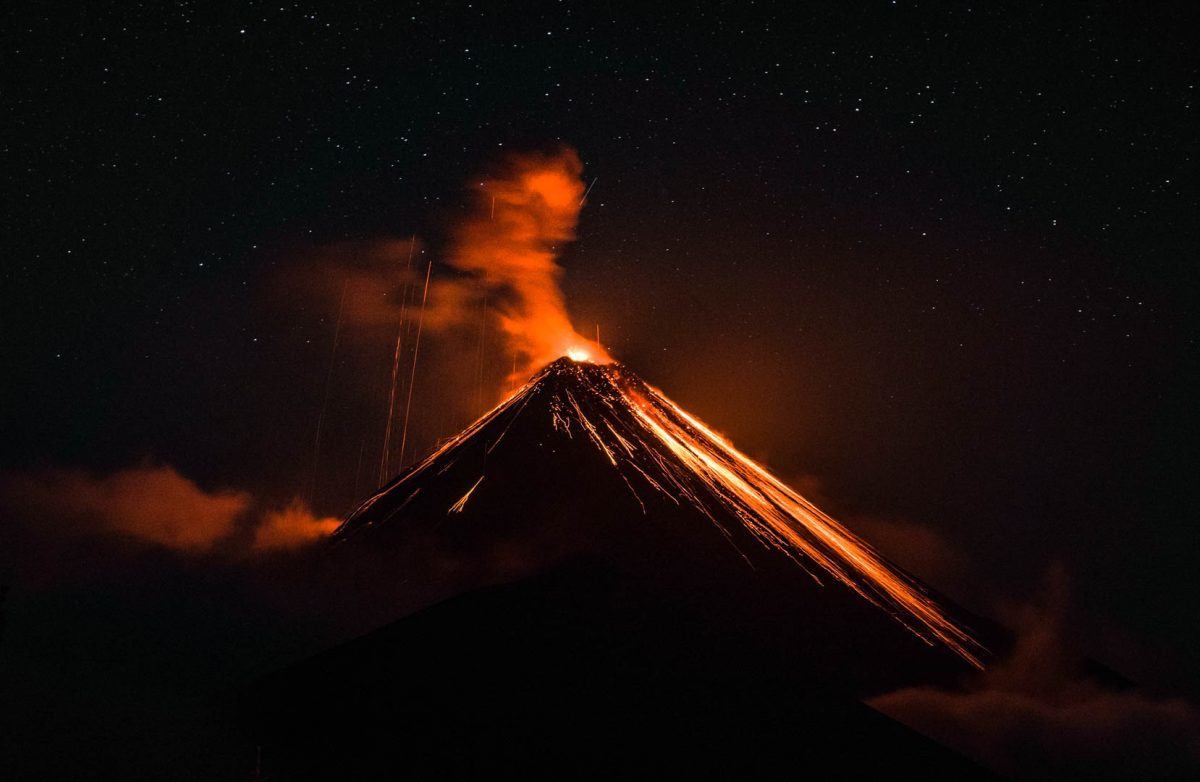
Photo: Ana Pereira
If your entire Central America trip is 3 days long, then use those 3 days to come here and see this. It’s not too tricky to fly into Guatemala City, and take a bus to Antigua, where tours to Acatenango run from.
10. Take a Boat Down the Rio Dulce in Guatemala
It is actually possible to leave Guatemala by boat, bound for Honduras’ Bay Islands through this jungly river system. I actually delivered sailboats from the Rio Dulce to Honduras a couple of times, but many backpackers can simply volunteer on a sailboat heading in that direction.
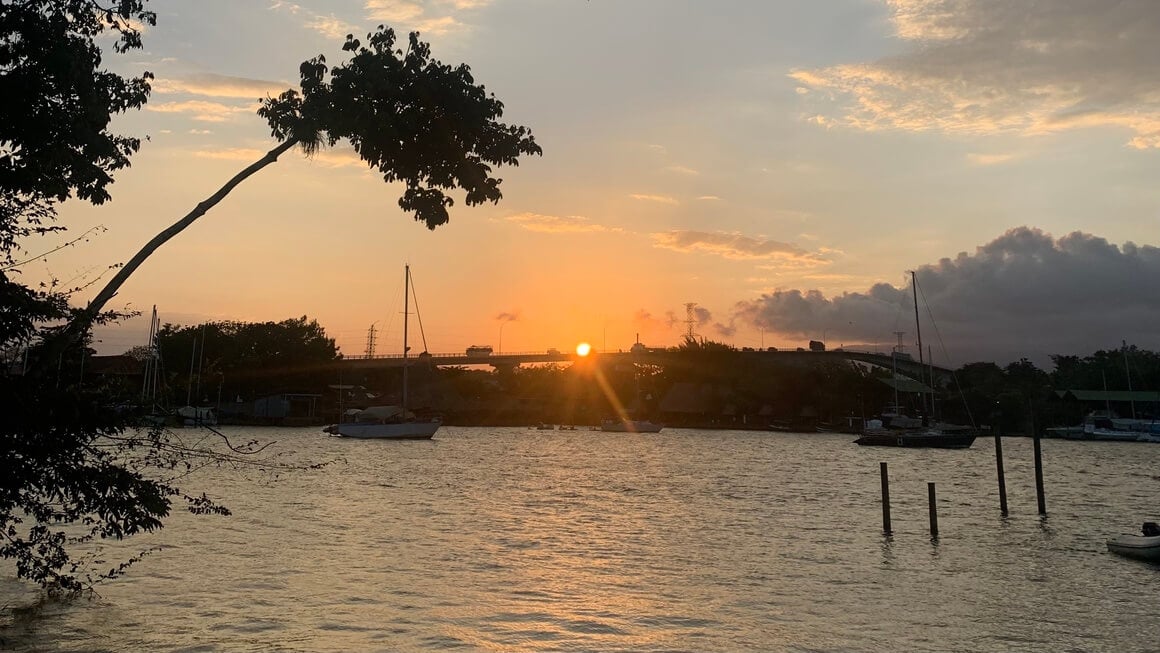
Photo: @joemiddlehurst
If you don’t end up on a sailboat, I’d definitely still recommend a boat ride up the Rio Dulce. Basically, you realise how puny your sailboat is as you come in surrounded by walls of the green jungle… Yeah it’s pretty epic.
11. Witness the Mobula Ray Migration in the Sea of Cortez
One of Baja’s wildest secrets, the mobula ray migration is a full‑blown nature spectacle where tens of thousands of “flying rays” gather in the Sea of Cortez and move like a giant underwater cloud. From above, their movement looks like rippling shadows across the sea.
Beneath the surface, it’s even more mesmerising… vast formations of rays gliding in synchrony, their wings beating like the pulse of the ocean itself. You can jump in with just a mask and fins and suddenly find yourself drifting alongside hundreds of them as they glide, silently, smoothly, and totally unbothered by your presence.
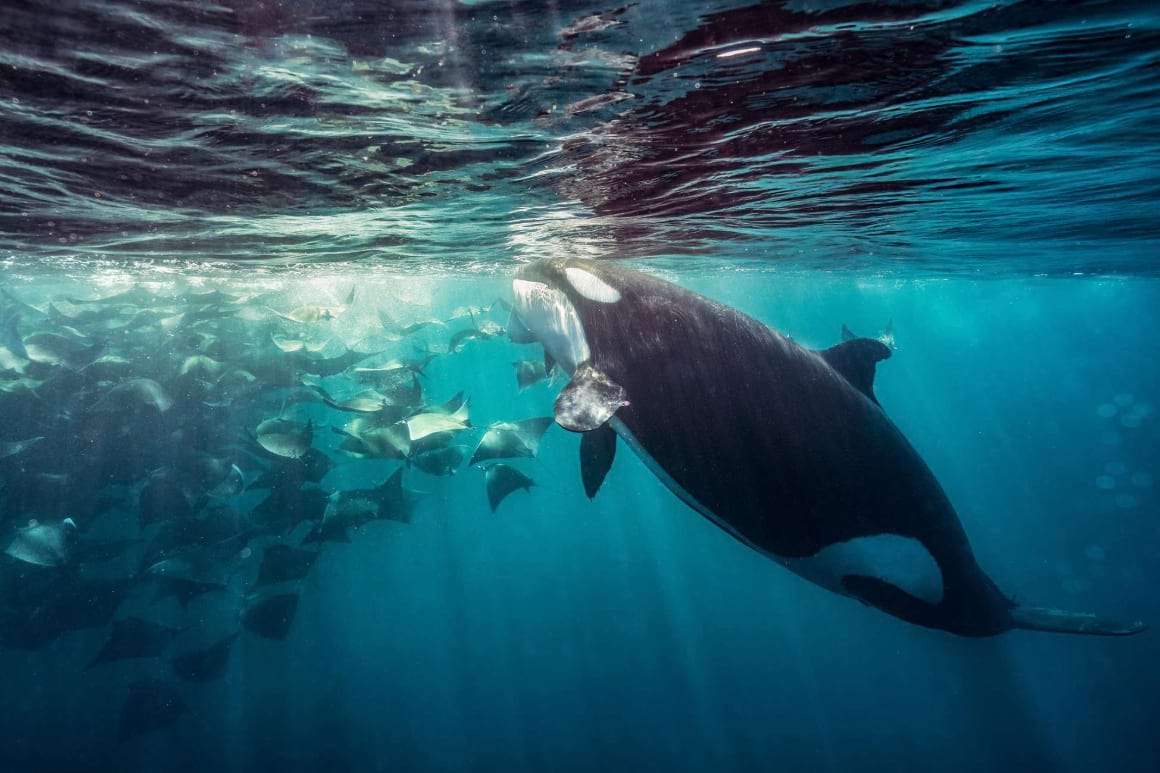
One of the most fascinating predator-prey relationships in the Sea of Cortez involves orcas (killer whales) and mobula rays. Pods of orcas often hunt mobula rays during the migration season. When they do, mobulas often leap from the water in huge numbers as they attempt to escape, creating one of the most dramatic wildlife scenes in the ocean.
It’s one of the wildest, most underrated wildlife experiences on the planet and an absolute must‑do for wildlife lovers. Our friends over at Elsewheria lead an epic Mobula Ray Expedition, where you can experience all of the above and so much more.
Accommodation in Central America
Central America has plenty of budget accommodation options for backpackers. I stayed in hostels pretty much everywhere, and they were never hard to find. I only had one occasion where I wasn’t able to stay in my first choice spot, and that was on Colon Island in Bocas del Toro when the excellent Cliff’s Hostel ran out of space to extend during the popular Filthy Fridays event.
Don’t expect to find flashy chain hotels like the Hilton. Maybe there are one or two in the capitals, but that’s not the general vibe of Central America. It’s generally cheap hostels and guesthouses, many are family-run, and most are independent since the collapse of Selina who had some good spots in the region. Hostel life is the way to go here.
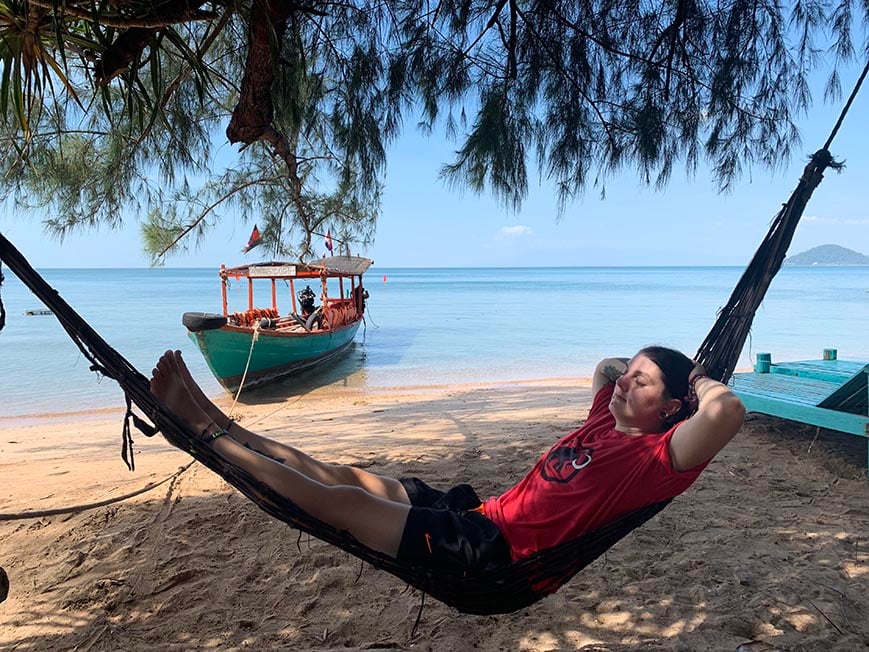
Image: Nic Hilditch-Short
I often booked hostels either the day before I arrived, or a few hours before whilst on the bus (tourist shuttle). I never had problems with availability.
Always read online reviews before booking though. I stayed in La Terraza (Flores, Guatemala) where multiple people have been robbed by staff, and the atrocious Hostal El Balsamo (El Sunzal, El Salvador), where I almost became the third person in 2 weeks to be bitten by the owners’ dogs. And that ignores the countless other bad things in this shithole.
| Destination | Why Visit! | Best Hostel | Best Private Stay |
|---|---|---|---|
| Mexico City (Mexico) | Mexico’s vibrant capital is a cultural gem with a buzzing food scene. It’s also a key entry point into the region. | Hostal Casa MX Bellas Artes | Hostal Schultz |
| Oaxaca (Mexico) | A colourful city with electrifying markets, and mezcal that’ll burn your throat, but have you coming back for more! | La Casa del Nenufar | Don Tuga |
| Cancun (Mexico) | Another popular entry point into the region, with great access to beaches, cenotes, parties and Mayan ruins. | Nilu Cancun Zona Hotelera by Selina | Green Caps |
| Bacalar (Mexico) | A chilled lake spot that gives you a quieter flavour of the Yucatan Peninsula, away from the mad parties of Cancun and PDC. | Hostalito | El Arbol de la Vida |
| San Pedro (Belize) | The main hub for parties, beach life and water activities in Belize. | Sandbar Beachfront Hotel & Hostel | Ambergris Sunset Hotel |
| Flores (Guatemala) | It’s a peaceful island on a lake. But the real reason to stay here is to use as a base before visiting Tikal. | Hostal Inn 2 | Habitacion Casa Zoila |
| Antigua (Guatemala) | A lovely colonial city that’s nice in its own right. But most backpackers come here to hike up Volcan Acatenango. | Hostal Antigua | Posada Maya |
| Santa Ana (El Salvador) | A quaint colonial city with a traditional cathedral and local markets. It’s also close to the magical Santa Ana Volcano, and Lago Coatepeque. | Pool House Hostel | Casa de Elena |
| San Salvador (El Salvador) | The capital of El Salvador combines the traditional with the contemporary, and offers an oasis of modernity halfway through your gritty Central American adventures. | Backpacker’s Roof | Rooms Libertad |
| Copan Ruinas (Honduras) | Home to some of Central America’s best Mayan ruins, colourful macaws, and a fun little town. | Iguana Azul | Hotel & Hostel Yaxkin Copan |
| Utila (Honduras) | Quite possibly the best place in the world to get your diving certifications, and certainly one of the cheapest. | Fenix Hotel & Hostel | Cabana Estudio Selvatica |
| Leon (Nicaragua) | A cute colonial city, that’s also a great base for a volcano boarding tour. | ViaVia Hostel | Hostal El Sol |
| Granada (Nicaragua) | Another fun colonial city, that also happens to be a great base for Volcan Masaya tours. | Oasis Hostel | Casa del Agua |
| Ometepe (Nicaragua) | Get lost in nature on this sleepy paradise island. Hike up volcanoes, chase waterfalls, search for anacondas, and much more. | Finca La Magia | Casa Caimana |
| San Juan del Sur (Nicaragua) | Superb sunsets, and sublime surfing at this gringo-heavy beach spot, famed for its “Sunday Funday” pub crawls. | The SPACE Jungle Oasis | Hostel Tropical & Coworking |
| San Jose (Costa Rica) | Just to reach other parts of the country really. San Jose sucks, but you’ll often need to pass through. | Chillout Hostel Barrio Escalante | Hotel Casa Colon |
| Monteverde (Costa Rica) | A great jungle spot, offering both day and night walks where you can see a ton of wildlife. | Hostel Catleya | Cowboy Hostel |
| Tortuguero (Costa Rica) | A remote natural paradise where you can walk through the jungle at day and night, and take a boat to see wildlife. You can even witness turtles hatching on the beach with some good timing! | Cabinas Tortuguero | House of Rainbow |
| Manuel Antonio (Costa Rica) | Home to one of the most impressive national parks in the country. | Blue Morpho House B&B | Costa Linda Art Hostel |
| Bocas del Toro (Panama) | Incredible diving, partying, jungles and more. Find starfish on Playa Estrella, discover different-coloured poison dart frogs on each island, and much more. | Cliff’s Hostel | El Jaguar |
| Panama City (Panama) | Panama’s modern capital where you can find comfort and Western amenities after several months of raw adventure! | Panama House B&B | Hotel Pension Andurina |
Best Time to Visit Central America
When to go to Central America varies with the weather as each country in Central America has its own unique climate. The dry season is generally December, January, February, and March: this is certainly the time when most people visit. You can have some great weather in November and April as well.
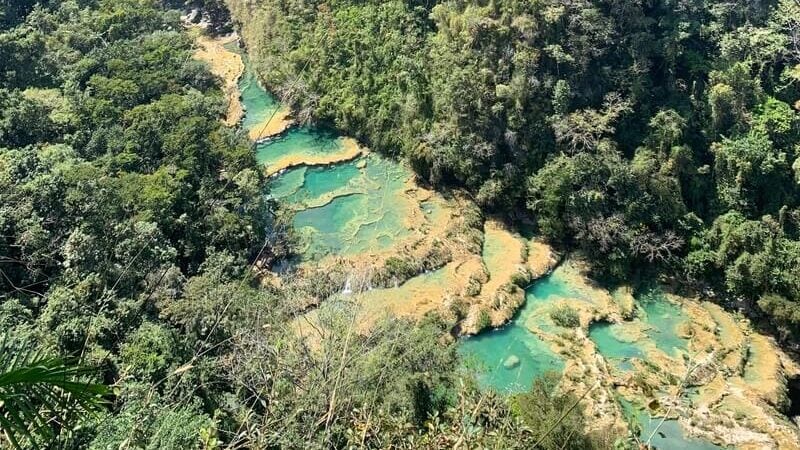
Photo: @joemiddlehurst
The rainy season can be a beautiful time to visit. The rain only complicates things if you want to do heaps of outdoor activities. During Christmas and the New Year, Costa Rican beaches are flat-out slammed with foreigners and locals alike.
Scuba diving is best in the winter or early spring months (Nov-Feb). The water has better visibility and the islands are generally more pleasant when it’s not pissing down rain. Basically, if you’re willing to put up with some rainy days and slightly less crowded beaches then do so: the jungle is certainly beautiful.
Also, the higher in altitude that you get, the more the weather changes. I can’t give a super accurate country breakdown because it truly depends where in the country you are as to what kind of weather you’ll get. Anything by the Pacific ocean is going to be more chill and have a less pronounced rainy season.
What to Pack for Central America
For such a variety of climates and range of activities to be done while backpacking Central America, you will need the ultimate packing list.
There is no need to be that person who carts around 50 kilos of luggage. But you don’t want to be without the essentials either!
So what do you really need? Here are some essentials that accompany me on every single backpacking trip.

Ear Plugs
Snoring dorm-mates can ruin your nights rest and seriously damage the hostel experience. This is why I always travel with a pack of decent ear plugs.
Hanging Laundry Bag
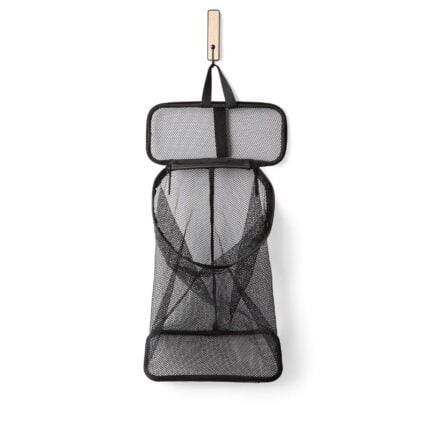
Trust us, this is an absolute game changer. Super compact, a hanging mesh laundry bag stops your dirty clothes from stinking, you don’t know how much you need one of these… so just get it, thank us later.
Sea To Summit Micro Towel
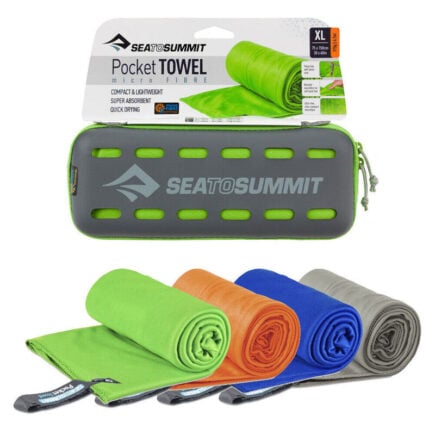
Hostel towels are scummy and take forever to dry. Microfibre towels dry quickly, are compact, lightweight, and can be used as a blanket or yoga mat if need be.
Grayl Geopress Water Bottle
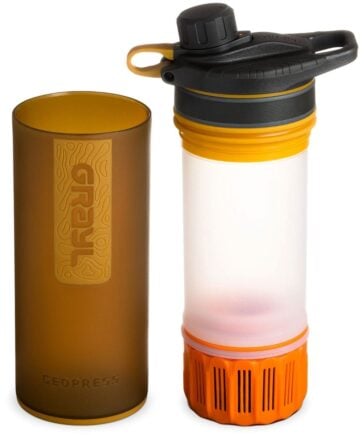
Always travel with a water bottle! They save you money and reduce your plastic footprint on our planet. The Grayl Geopress acts as a purifier AND temperature regulator. Boom!
Safety, Scams & Common Backpacker Mistakes
Well, when people realise I’ve spent six months living in Central America, and many more travelling, they immediately ask: Well is Central America safe? Whilst it is true that the region suffered through decades of brutal war, gang violence, and a horrific narcotics trade, modern-day Central America is a different story for tourists at least.
Don’t get me wrong, the region still has a huge problem with gang violence and the narco trade, but it is concentrated in specific areas backpackers don’t wander into by accident. Around 99% of the trouble I ever hear about from Gringos started with them buying (or trying to buy) drugs.
So yes, the standard safe backpacking rules apply, and no, you’ll rarely be running for your life here. However, I’d still think it was dishonest if I didn’t say that Central America has a higher crime rate than other parts of the world and foreigners are more likely to get caught up in something. Certain areas (mainly cities) in Central America have the highest rates of homicide anywhere in the world (not in a war zone).
That said, foreigners are very rarely involved or targeted by violence. And the one mugging I did accidentally witness was very quickly shut down by the neighbours because of how loud the girl screamed. In fact, the would-be robber was taken aside and dealt with by the community… Basically, should you on the off chance find yourself being robbed, be loud but don’t be a hero. Aaaand, it’s probably not going to happen to you as long as you keep your wits about you.
Areas to avoid
Central America’s no-go zones are often small pockets within cities rather than entire regions. But I’ll give you a few spots to be extra cautious here:
- Remote rural parts of Mexico: It’s hard to just say “cartel territory” as the cartels control vast swathes of the country, and they generally don’t mess with tourists, who they see as a good income source. Just stick to popular parts of Mexico, and don’t go snooping around remote farmland which is where the real dark stuff happens.
- Southern Belize City: North of Haulover Creek is generally okay in the day, but south of the creek is where a lot of gang activity occurs. Must admit I whizzed down to the bus station alone and had no issues, but that wasn’t smart. Avoid the south if possible, and use taxis to reach the bus station.
- Certain zones in Guatemala City: Guatemala’s capital is divided into 22 zones, some of which are fine, others which are no-go zones full of gang violence. The dodgy spots change, so always ask locals for modern information, but the US government singles out Zone 18 as one to avoid at all costs.
- San Marcos and Huehuetenango departments (Guatemala): The US also say to avoid these spots due to cartels, gangs, and terrorism. These are the far-west areas between Xela and the Mexico border,
- San Pedro Sula and Tegucigalpa: The two major cities of Honduras are violent crime hotspots that often score highly on lists of cities with the worst homicide rates. Whilst things have marginally improved in recent years, both are still rife with violent crime, and to be honest they’re pretty rough places with little of interest anyway. Take shuttles and avoid them.
- The Darien Gap (Panama): One of the world’s most dangerous places is this jungle environment that separates Panama from Colombia. There are no roads or paths. It’s a deadly area full of paramilitaries, drug activity and illegal migrants heading to North America, not to mention dangerous snakes, other creatures, swamps, and weather conditions.
Transport safety
I have one rule in Central America: avoid the chicken buses in Guatemala and Honduras. They’re dangerous, and gunpoint robberies on board aren’t unheard of. I would say they’re okay in Nicaragua and El Salvador, which are safer countries. I used them multiple times there no problem. Just be cautious when it comes to using your phone, which is an easy target for a stealthy snatcher.
There are tourist shuttles available. They cost more, but are safe. I used them almost everywhere in Guatemala, and in Honduras to get between Copan Ruinas, La Ceiba (base for the Bay Islands), and eventually Leon in Nicaragua.
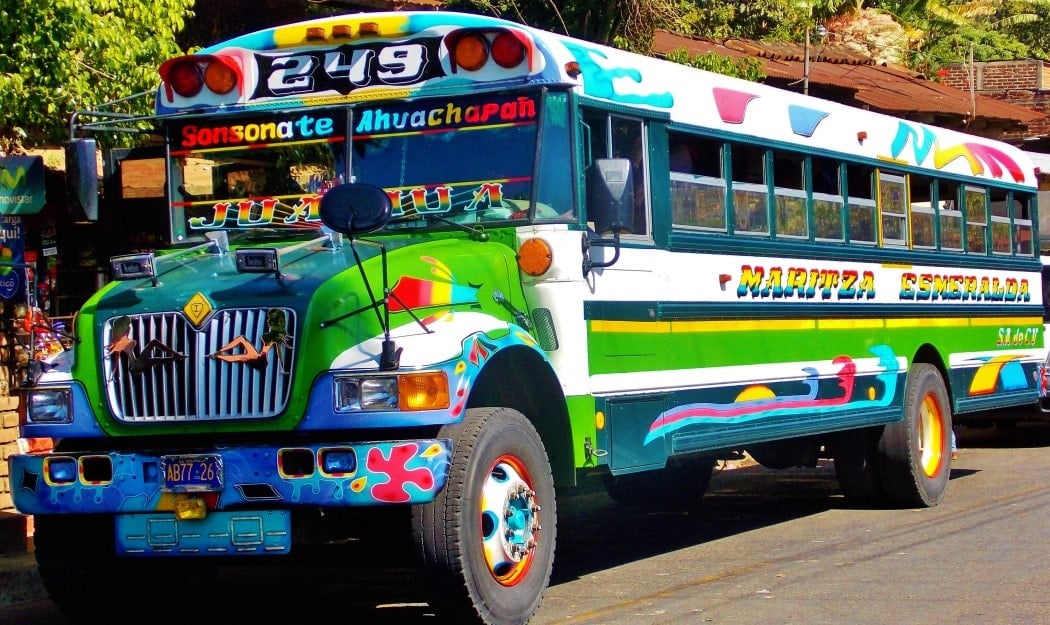
When you take buses, never catch them at night. Tourist shuttles are fine, but local buses should be avoided everywhere after dark.
Also be sure to secure your belongings. Even on tourist shuttles, your bags will be strapped to the top of the vehicle and completely exposed to the elements. Put a waterproof cover on, and leave valuables in your day bag, or on your person.
Lastly, use Uber (or other rideshare apps) to get around in the cities. Large Central American cities are generally more dangerous than smaller colonial cities and towns. Ubering is a smart move by day, but an essential at night.
Diving & adventure safety
Central America is all about adventure. But that also means there’s scope for things to go wrong.
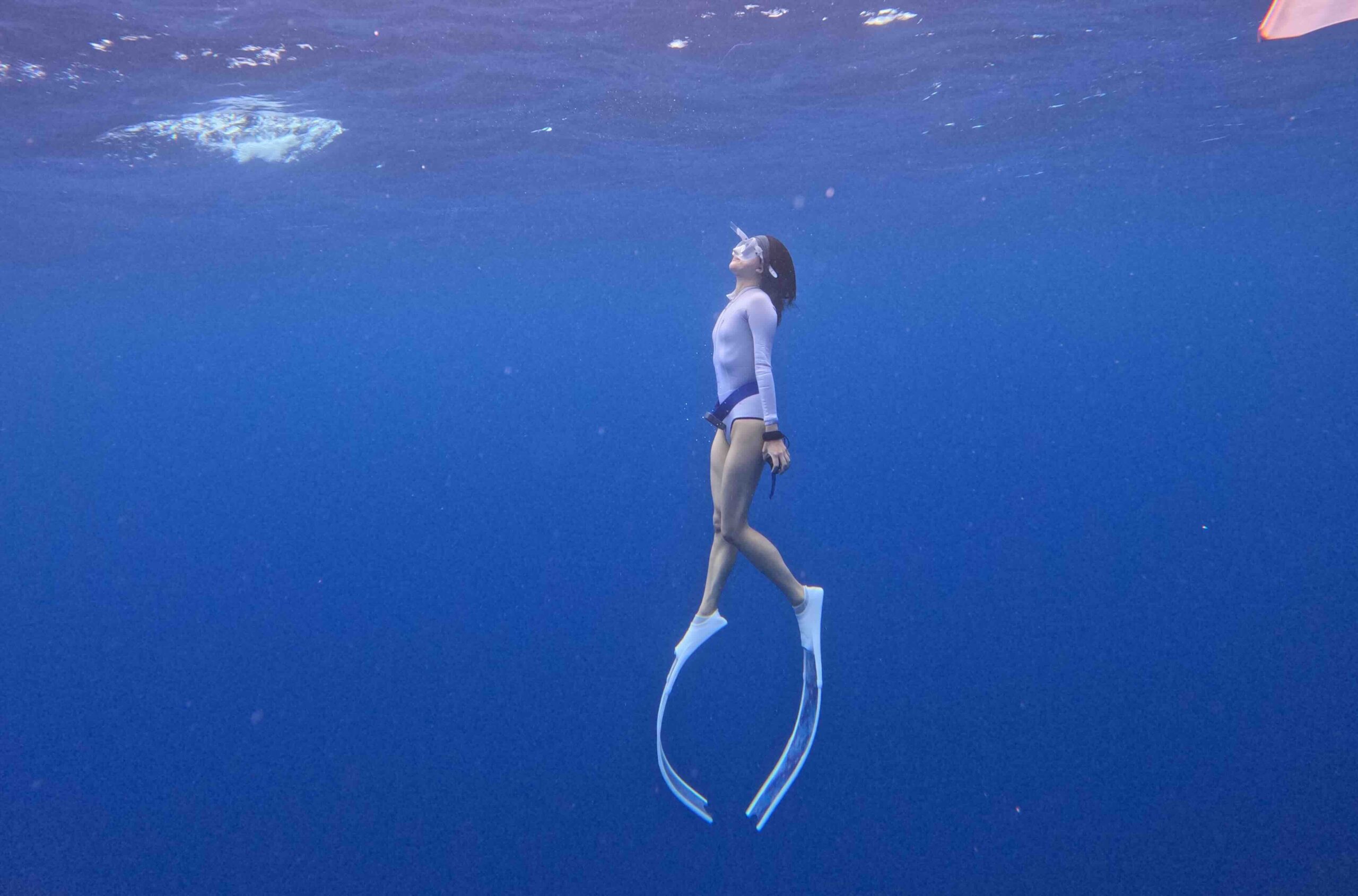
Divers: unless you’re pretty experienced, stick to the Caribbean coast. Belize, Honduras and the Corn Islands in Nicaragua are all great for divers. The Pacific Coast is for experts only. Also be sure to check reviews for any tour operator you dive with. Some are more credible than others, so go with those trusted by previous wanderers across the Gringo Trail.
Elsewhere, get hiking boots. Central America was my first real solo adventure trip, and when I fell several times on the way up Volcan Acatenango, and tumbled off the side on the way back down, I seriously regretted not having appropriate footwear.
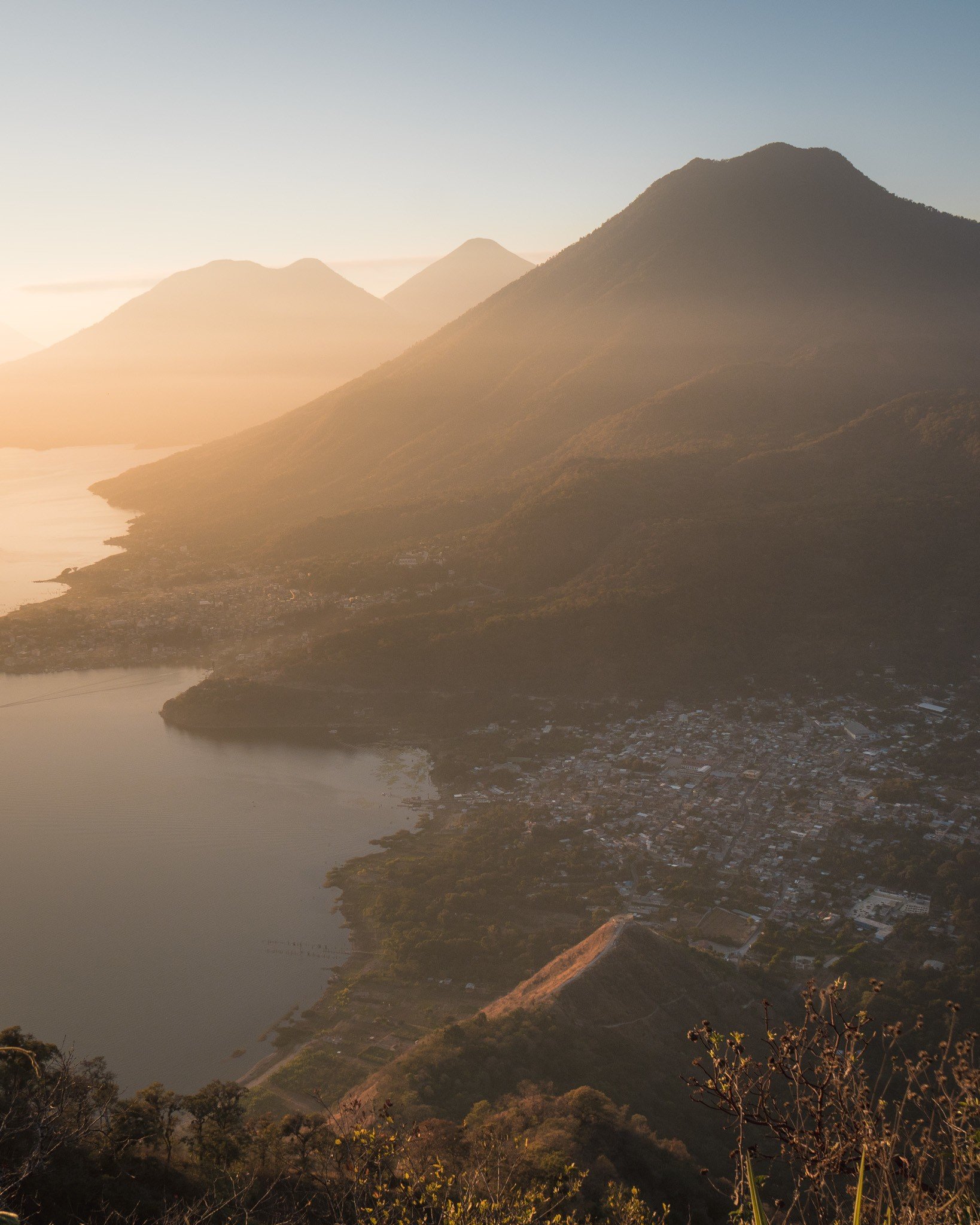
Also, don’t hike alone. Central America isn’t a place to do spontaneous off-the-beaten-path hikes. Muggings are common, especially around Lake Atitlan and Volcan de Agua in Guatemala. Acatenango is safe though, likewise Santa Ana Volcano in El Salvador.
Money & ATM issues
Card payments aren’t as widespread as they are in Europe. Bring cash with you in each country to avoid sticky situations. You can often swap currency at borders for rates which aren’t terrible. US dollars and the currencies of neighbouring countries can usually be exchanged without issues. I never had any problems exchanging at borders.
When you use ATMs, be careful. Card cloning is a problem, and you may even be robbed by opportunists if seen withdrawing money outside, possibly at gunpoint. Never use ATMs on the streets. I’d always go inside a bank, shopping mall, or other safe environment to get cash out.

Image: Nic Hilditch-Short
Always keep one card and a small amount of cash in your wallet/purse. For the rest, hide it in a good moneybelt alongside a spare card. I was never robbed in this part of the world, and that’s because I was always careful with my cash.
Drugs & legal realities
Drugs are dangerous guys. Some can kill you regardless of the circumstances, others are mixed with toxic substances to maximise profits for the dealers, and even if the drugs themselves don’t harm you, the people involved in the process might.
Central America has BIG problems with drugs. In fact, they’re responsible for much of the violence that takes place in this region. Many drugs originate in Central America, then are smuggled through the lawless Darien Gap from Colombia to Panama, before gradually making their way up through various local gangs, towards deadly cartels in Mexico and the lucrative US market.

If you’re caught with drugs, you can end up in jail. And a quick bit of research will show you that whatever you imagine Hell to look like isn’t as bad as a Central American jail. Many people who “sell” drugs here will set you up, with both real and fake police looking to extort money from you if caught.
Just remember that the drug trade is responsible for many of the issues that Central America faces with violence and murder amongst the realities for many locals. If you participate in this, you’re directly contributing to their problems.
Scams
As with many countries, murder and violent muggings will by nothing more than a scary story for most backpackers. Much more realistic is being scammed. It’s happened to me in several countries, and is common here too.
The most common trick you’ll face is a good ol’ taxi scam. Drivers will often massively overcharge you, sometimes claiming their meter is broken. I met a couple in Nicaragua who had been charged over £20 for a 1-minute journey in dodgy capital Managua. The driver threatened to keep their luggage locked in the boot if they didn’t pay. ALWAYS agree a price first… or better, use Uber.

Also beware of the border crossing scam. This is where someone will claim to help you skip to the front of the queue, and take your passport to “help” you, only to extort a massive fee for this unwanted “service”. Never hand your passport to someone unless they’re a legit immigration official.
Then you have scam tours. If you’re approached by a guy on the street selling “tours”, there’s a good chance it’s either overpriced, or very “cheap” only to turn out to be a very poor tour, if it operates at all… Always book tours with well-reviewed companies.
Common Backpacker Mistakes
I met several people in Latin America who had a theft/mugging story, myself included (albeit in Ecuador rather than Central America). Every single person had a common trait: they did something stupid that put them in a vulnerable position (again, myself included).
The most common one is using phones in public, especially in big cities. In my case, a bus dropped me in the wrong location (outside a sketchy market), and once I thought I’d made it to a quiet spot, I checked my phone for directions. Three guys jumped out of nowhere, and grabbed my phone from my hand. I fought back and retrieved it (bad idea, many guys here are armed), but this was a lucky escape. Since that fateful 2022 incident, I’ve always dipped into shops/restaurants etc. to use my phone.
Another common faux pas is walking around at night. Most ladrones come out of hiding under the cover of darkness, and love to prey on unsuspecting white people. Just stay inside after dark, or use Uber to get around. It’s not worth the risk.
Then you have solo hiking. Central America is incredible, but it’s no civilised Alpine frontier where elderly couples can go for a peaceful gander amongst turquoise lakes and chirping birds. Muggers with machetes hang out on trails here, especially around Lake Atitlan in Guatemala. In fact I recently saw a TikTok video where a woman said she hiked alone there and was mugged by a machete bandit. In other news, water is wet.
Getting Insured BEFORE Travelling to Central America
ALWAYS sort out your backpacker insurance before your trip. I was lucky not to need it before I headed down to South America. But after getting scratched by an iguana in Belize, falling down the side of Volcan Acatenango, and getting food poisoning in Antigua, there were a few moments that could’ve resulted in a hospital trip had they been worse. Always get insured.
How to Get Into Central America
I started my Central America backpacking adventures in Mexico City, and left the region by flying from Panama City to Colombia. These two places alongside Cancun are the best entry points. San Jose also has a fair few flights, but you’d have to do some backtracking to cover the whole region.
It is also possible to find cheap flights to the other Central American capital cities. Managua is a budget-friendly option, but Panama City and San Jose aren’t bad. Check out our post on how to score cheap flights to find a bargain on flights to the region.
Depending on your time frame and schedule, you can make an informed decision about where to start your trip. If you’re keen on backpacking Central America in its entirety, I recommend starting in Mexico and working your way south, just as I did. You might be lucky enough to find a cheap flight to Panama City and go the other way instead.
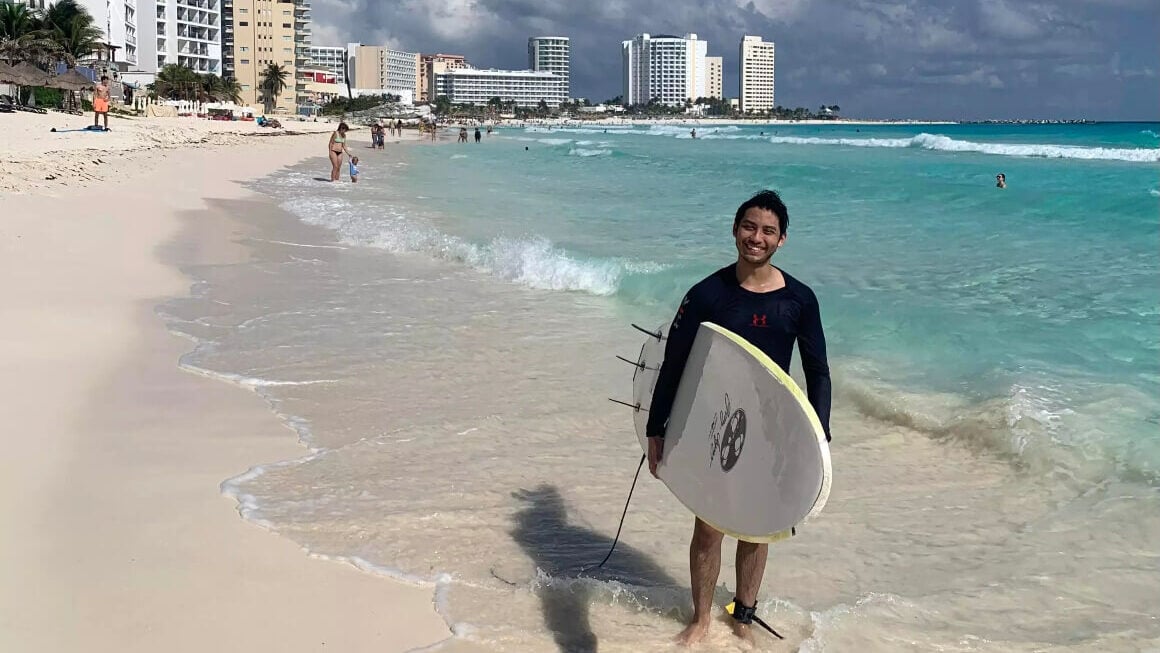
Photo: @joemiddlehurst
Conveniently, most Central American countries don’t require any sort of visa to enter either. Most Western nations, including the US, UK, EU, and Australia, can visit most countries visa-free for a period of 90 days. Be aware though that some countries like to charge a small entry fee.
However, fellow Brits must now apply for a visa in advance to visit Honduras. If you don’t want that hassle, just take a boat from El Salvador to Nicaragua.
Also, everyone must know about the CA-4 region. You get a total of 90 days across Guatemala, El Salvador, Honduras and Nicaragua. More bad news for us Brits, despite needing an extra Honduras visa, it still counts towards our CA-4 days.
How to Get Around Central America
The good news is that Central America is pretty compact. By the time I got down to South America, I ended up taking journeys up to 26 hours long (yeah, don’t get the bus between Bolivia and Paraguay, just fly). The bad news is that roads here suck and journeys can take up most of your day. Thankfully in this case, I’m talking 12 hours or so at worst, excluding in Mexico.
In Costa Rica and the Mexican Yucatan Peninsula, the buses are of better quality, but much more expensive than elsewhere in the region. In major cities, public transit systems are complicated but relatively easy to get around. Some of the larger cities – like Mexico City – have easy-to-use metros.
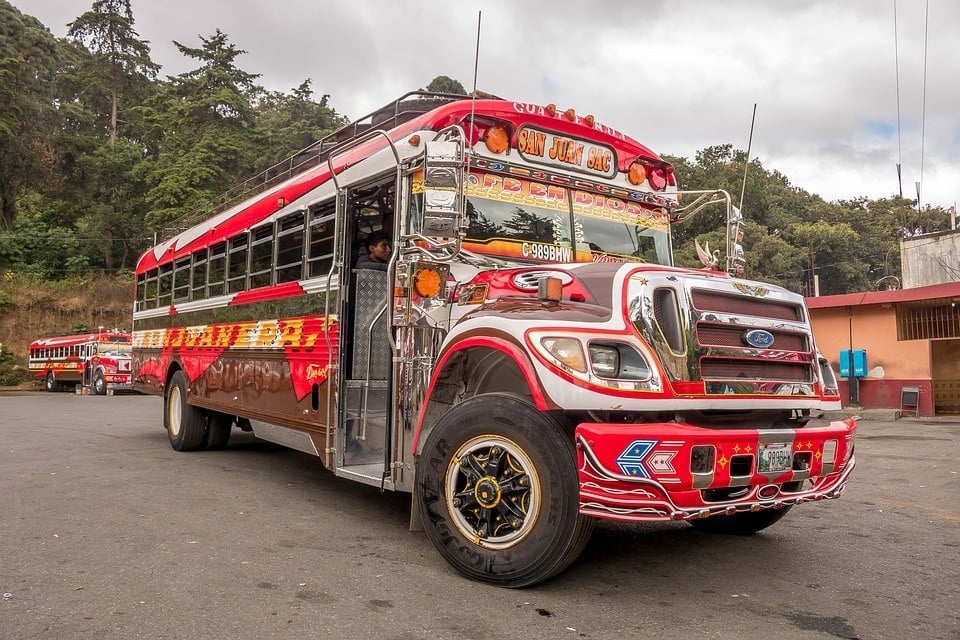
To get to the various Caribbean islands, you can catch a ferry. The ferries are more expensive than I anticipated, so budget accordingly. To be honest, te Caribbean isn’t a budget-friendly part of the world. Stick to Belize for a cheaper sample.
You will hear the words “taxi taxi taxi” just about everywhere you go. Taxis are always more expensive than taking the bus and can lead to scams or worse. Always avoid them where possible, and use Uber instead.
Tourist Shuttles
My favourite form of transport in Guatemala and Honduras especially. They cost “Gringo prices”, but are by far the safest way to travel longer distances.
These are small minivans with moderate levels of comfort. All other passengers on here will be American, British, Dutch, French, German, and other Western nationalities you’ll commonly encounter on the Gringo Trail.
They do however strap your luggage to the roof, so put a waterproof cover on before riding (you never know when the weather will turn), and keep valuables with you at all times. I never saw a bag fly off the roof, but given the quality of the strapping, it wouldn’t surprise me if this happens semi-regularly.
Taking Chicken Buses
The cheapest option is to travel to Central America by bus. The region is famous for the chicken bus. The Guatemalan chicken bus especially is a sight to behold. These old American school buses are often painted with bright colours and filled to the brim with humans (and sometimes chickens, hence the name).
They aren’t always safe though. Armed muggers sometimes board these and hold passengers at gunpoint (it’s not ultra common, but certainly not unheard of), whilst pickpockets love this form of transport, as they can go to “work” here, and easily slip off at a random roadside stop unnoticed.
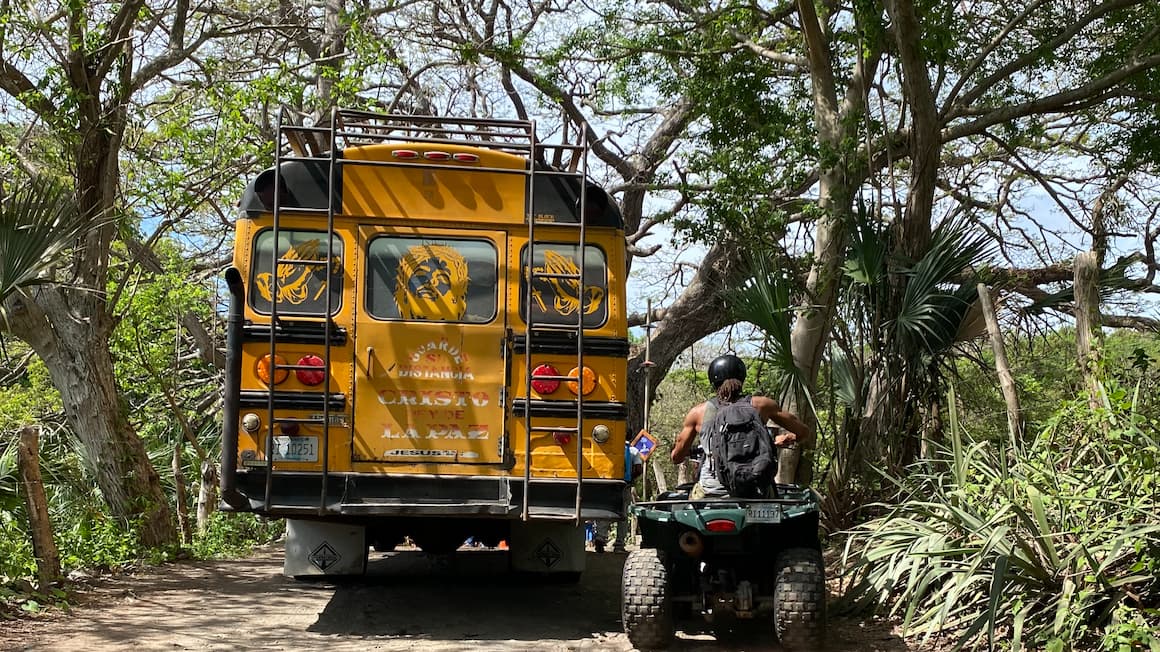
Drivers also drive like lunatics. Plus your luggage will be also be strapped on the roof, just like with the tourist shuttles. The weather can be unpredictable at times, so make sure you have a solid waterproof bag cover, and no valuables to put up there.
ADO Buses
These operate in Mexico only, but ADO is the GOAT of Mexican overland transport. Their buses are safe and comfortable, they cover pretty much every long distance route along the tourist trail, and they’re easy to get.
You can book tickets on the ADO website. The only place I didn’t use them much was along the eastern coast of the Yucatan Peninsula. Distances there are much shorter and minivan transport is more common.
Hitchhiking in Central America
Learning to hitchhike is definitely an option, buttttt it’s definitely easier when you know how to speak Spanish. If you dress the part and look like every other Latino vagabond, drivers will typically know what you’re doing. However, I always think it’s a good idea to offer to shout lunch or explain the journey that you’ve been on.
Hitchhiking edict changes from person to person, as some people picking you up, might want talkative company, and some people prefer quiet. This is where it’s much easier to speak Spanish so you can gauge the situation. Depending on the country, you’ll have differing wait times/success while hitchhiking.
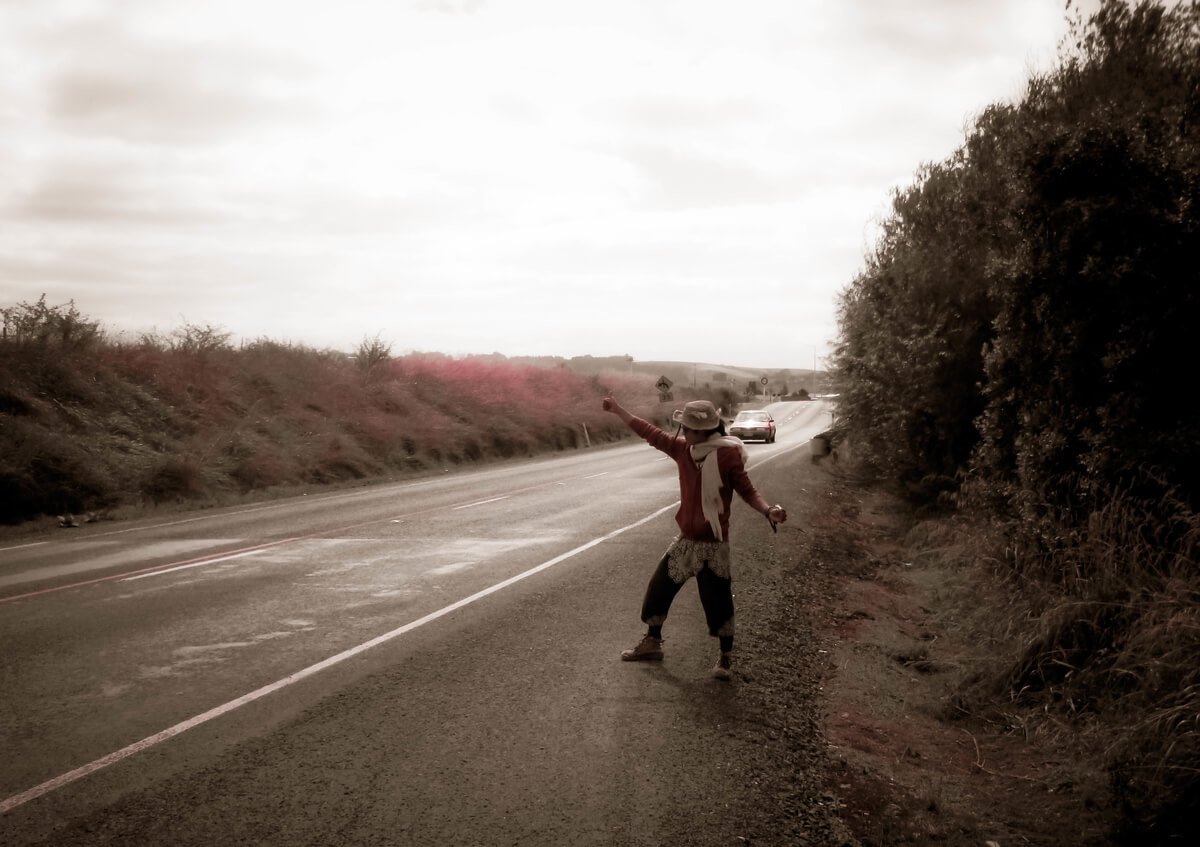
Photo: @themanwiththetinyguitar
I hitchhiked in Mexico with the most luck. My chicken and I met van lifers, musicians, farmers, and other solo travellers in Central America. I feel like hitchhiking really does open up the world of travel in a much more raw way.
Renting a Car in Central America
Renting a car in Central America offers flexibility and freedom, especially when exploring areas that are difficult to reach by bus. It’s a great option for travellers who want to set their own pace and get off the beaten track, and explore hidden beaches, mountains, or national parks. Countries like Costa Rica, Panama, and Guatemala have a mix of cruisy highways and rugged rural roads, so a 4×4 is often recommended.
Roads can be crazy, and safety is a luxury here, so I’d only recommend getting your own wheels if you’re an experienced driver. This is a pretty backpacker-friendly part of the world though, so you can easily get by without.
Onwards Travel from Central America
Looking to continue travelling south after backpacking Central America? You have a few options. You can always fly from Panama City, Mexico City, or Cancun (depending on which direction you travel the region) onto South America or Europe. I flew from Panama City to Bogota, which is a popular and affordable route.
A far more rewarding alternative is to take a boat. Multiple boat companies now offer passage from Panama to Colombia via the San Blas Islands with trips ranging from three to five days. If you are keen to go on an island-hopping sailing adventure, this option is for you.
From here you can go on to backpack South America! A magical experience in my favourite continent!
The third option, if you can call it that, is crossing the Darien Gap overland. Rumour has it that you can hire a guide (for quite a bit of money) and cross the Darien Gap on foot. In the past, this was impossible due to narco-terrorist/guerrilla activity and is still considered a very dangerous place to cross. May the backpacker gods be with you if you attempt the journey on your own without a guide. Honestly, I don’t recommend this at all. It’s so dangerous that people who cross are used to seeing bodies on the trail.
Taking a boat from Panama to Colombia sounds like the most fun for sure. You’ll have a chance to sleep on totally isolated islands and swim in crystal clear waters whilst drinking some ice-cold beers on your boat… It’s an epic trip, if you have the budget.
Working in Central America
Central America has been an ex-pat destination for decades. The whole spectrum of humanity comes down here for various reasons: retirement, to escape the desk, for the digital nomad lifestyle, to surf endlessly, to party forever, or to simply enjoy a cheaper cost of living away from the rat race.
Central America is one of the leading candidates for backpackers and digital nomads looking for a place to settle long-term (according to recent digital nomad trends). Certainly, some countries cost more to live in than others, but generally speaking, life just costs less in Central America and one can enjoy a very pleasant lifestyle with about half the cost of living in Europe or the USA.

A new country, a new contract, a new piece of plastic – booooring. Instead, buy an eSIM!
GigSky eSIMs work just like an app: you download it, pick your plan, and BOOM! You’re connected the minute you land. It’s that easy.
Read about how eSIMs work or click below to see one of the top eSIM providers on the market and ditch the plastic.
Grab an eSIM!Volunteering in Central America
Volunteering abroad is an amazing way to experience a culture whilst giving something back. There are loads of different volunteer projects in Central America ranging from teaching to animal care to agriculture to pretty much everything!
Programs run through reputable work exchange programs like Worldpackers and Workaway are generally well-managed and highly reputable. However, they aren’t without their flaws too. whenever you are volunteering, stay vigilant, especially when working with animals or children.
Remember, if you sign up with Worldpackers, you get $10 off with the code BROKEBACKPACKER.
Central American Culture
Central America is home to dozens of distinct ethnic groups – each with its own set of traditions, food styles, dress, and in some cases, language. The ethnically Mayan peoples of the Guatemalan highlands I found to have the richest and most distinct cultural practices and traditions that have largely survived the modernization (and bloody civil war) of Guatemala.
One really feels the vibe of ancient traditions when you spend a few nights in a Mayan village. Similarly, I found the Garifuna communities in Belize and Honduras to be full of life – especially when it came to music and food.
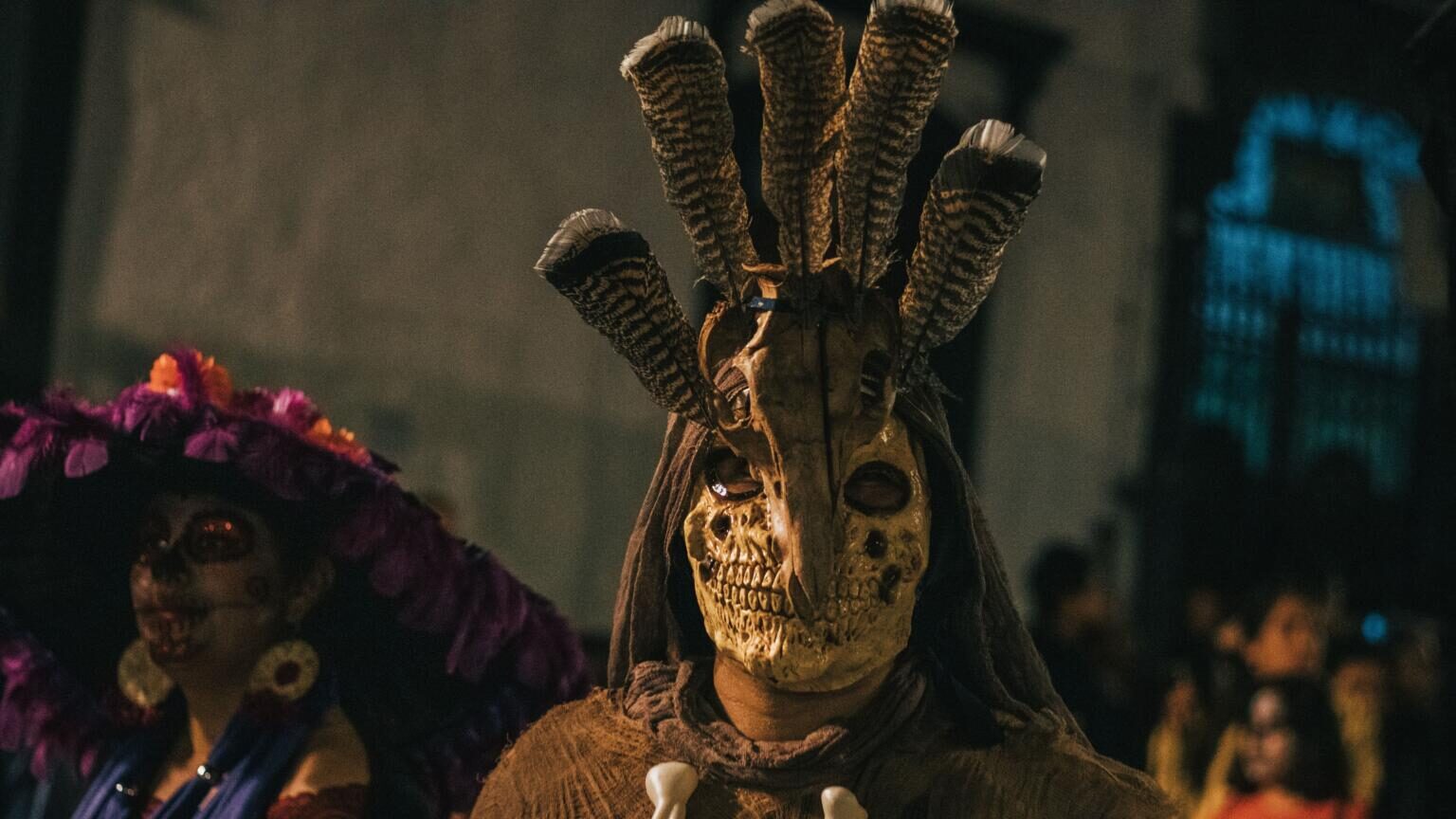
A major thread that connects all of the Central American countries is religion. This is a very Catholic region almost without exception with local saints and patrons to be found in every village it seemed. There are several places called “San Pedro” and other Catholic names, and I even got to experience Semana Santa (Holy Week) in El Salvador, when the whole country stood still.
In general, I found the people in every country I visited in Central America to be kind, generous, and welcoming – and just as often very keen on sharing a strong drink and a chat with you, time permitting.
What’s New For Central America?
The region often changes. It’s not too long ago that some of these countries were total warzones. That’s no longer the case. But safety situations, government policies, entry requirements, and other little things change often. I’m gonna give you the more recent changes here.
Mexico
Maya Train: Mexico has made it much easier to travel around the Yucatan Peninsula. The introduction of this new train makes it easier to get around the region, including near the Belize and Guatemala borders. I find it to be much more efficient than the ADO buses, which are still top dog for travelling elsewhere in Mexico.
El Salvador
Changes in the last few years: Just 5 years ago, this country was completely off the backpacking trail. It was one of the world’s most dangerous countries due to gang crime, and easily skippable since you can easily go directly from Guatemala to Honduras bypassing this country on the way, hence the phrase “don’t skip El Salvador”. It’s now opening up fast.
The state of exception: This was brought in after the 80-murder weekend just before my first trip here, and it’s totally transformed the country. It suspended constitutional rights, which allowed the government to bypass hapless judges and mass-arrest gangsters who made the country hell for locals, and a no-go zone for tourists. It affects tourists today as it makes a trip here much safer!
Be careful with tattoos: The gang members who made life so miserable for many normal civilians are easily identifiable by their tattoos. If you have anything that could be interpreted as a gang symbol, you could be detained and deported. These include the letters MS (for street gang MS-13), the number 18 (for their rivals 18th Street), and devil horns among others.
Honduras
State of exception: Inspired by its neighbour, Honduras also introduced a state of exception that is still in place today. It hasn’t had the same impact however, with more political pushback, fewer prisons, and fewer security forces to fully implement it. So Honduras remains a spot where as tourists, we need to be on our toes.
Impact on tourists: You won’t feel much safer now than you would pre-2022. However, Copan Ruinas is still a safe spot on the mainland, whilst the Bay Islands might as well be a different country. They’re much safer. Avoid the big cities though, San Pedro Sula and Tegucigalpa are marginally safer than before, but the difference isn’t significant.
Nicaragua
Deterioration of relations: Since 2019, USA/Nicaragua relations have plummeted due to a series of moves by Nicaraguan dictator Daniel Ortega, most notably jailing all opposition leaders in the 2021 election. I never felt unsafe in Ortega’s Nicaragua, but the same applied to Maduro’s Venezuela when I went. Just be aware that this isn’t a free country, and things can change fast.
Border scrutiny: They’re stricter than other Central American countries here. Drones and professional-looking cameras are likely to be confiscated. You may also face entry bans if you’ve criticised the Ortega regime on social media. Vapes are banned too, which is baffling in some ways. I’m not sure how your e-cig is gonna be used to topple the regime, but I don’t make the rules…
Solicitud de Ingreso: You need to fill in this form 7 days in advance and send it to solicitudes@migob.gob.ni. In true Nicaragua form, if you don’t do this, either they won’t let you in, or they let you fill it in on the border with no hassle. It’s a gamble.
Guatemala
Entry form: You need to complete the immigration declaration form before entering the country, otherwise you may not be allowed in. Again, you may or may not be able to do it on the border, but it’s a gamble, so best to do this in advance.
Belize
Departure tax: If leaving Belize overland, you must pay a tax of $40 BZD or $20 USD. Make sure you have enough spare cash to cover this. There’s no need to worry if flying out, as air taxes are included in the cost of your fare.
Costa Rica
Visa lengths: People from most Western countries (UK, USA, Canada, EU etc.) now get 180 days of visa-free travel, double the previous standard length of 90. Watch out though, as there are some countries that only get 30 days, so be sure to check beforehand so you know where you stand.
Onward travel: They’re now much stricter with proof of onward travel, which is irritating as you can’t just wing it as you could back in the day, before crossing to Nicaragua or Panama on a whim. I just buy onward tickets to bypass this. Annoying, but it gives you freedom to leave whenever you want (within the 180 days limit).
CA-4 Border Region
90-day limit: You get a total of 90 days within the CA-4 region (Guatemala, El Salvador, Honduras and Nicaragua). Brits, we need a visa for Honduras, but our time there still counts towards the 90 days unfortunately.
Border runs: You can easily reset your 90 days by leaving overland to Mexico or Belize in the north, Panama in the south, or by flying to another country. Crossing between CA-4 countries (for example, from Guatemala to Honduras) does NOT reset your 90 days.
General Things to Know
Cash vs card: More touristy parts of the region such as Belize, Costa Rica and Panama have widely adopted card usage. In other spots however, it’s only really possible in high end places (such as San Salvador’s malls) or major tourist spots (like Antigua, Guatemala). Cash is still king in much of Central America. Even in “card” countries, I recommend having emergency notes.
Yellow fever: All countries except Mexico will not let you enter without a valid yellow fever vaccination certificate if you are coming from a yellow fever risk country, or have transited through one for 12+ hours. Previously they were more lax on this, but not now. See the yellow fever risk countries to know if you need a certificate or not. They’re all in South America or Africa.
Dengue Fever: Dengue is a risk in all Central American countries, and many more across the globe. There were record outbreaks in both 2024 and 2025 here. Learn how to prevent dengue before your trip here, and take precautions including using repellent and wearing long sleeves.
What I’d Do Differently Next Time
I absolutely love Central America, it’s one of my favourite regions in the world. From volcano hiking, to world-class wildlife, to cool colonial architecture, mesmerising Mayan ruins, and so much more, there’s never a dull day here.
Personally, I’d skip Honduras next time. Copan Ruinas is cool, but Tikal is better. Honduras is only worth checking out if you’re a keen diver, or looking to learn. I’d also cut time in Costa Rica. Of the places I went to, Tortuguero is a “must visit”, but Cahuita is definitely skippable, and Monteverde, La Fortuna, and Manuel Antonio share a lot of similarities, so I’d cut at least one there.
I’d slow down a little more in Panama. Bocas del Toro has so much to see and do. Even when you aren’t doing activities all the time, it’s a lovely chill spot. I spent around a week there, but it definitely deserves more time.
My biggest budget mistake was spending longer in Costa Rica. It’s the least budget-friendly country in the region, so I’d suggest maybe just doing Monteverde and Tortuguero (and the unavoidable capital San Jose) before hotfooting it to Nicaragua or Panama, where I’d say there’s a lot more to do, and in Nicaragua’s case at least, your budget stretches much further.
As for travel pace, I recommend a minimum of 2 weeks per country, although if you include Mexico in this, spend that time purely in the Yucatan Peninsula. Wider Mexico needs a month at the bare minimum. If you only have 6 weeks, don’t try and pack every country into your itinerary.
Central America is a mystical land where dreams become reality. You can live out your idyllic relaxing beach life in Belize, enjoy the spectacle of Volcan de Fuego’s fury in Guatemala, or connect with marine life in Honduras. You will find almost anything in Central America, with one exception. You won’t find boredom here.
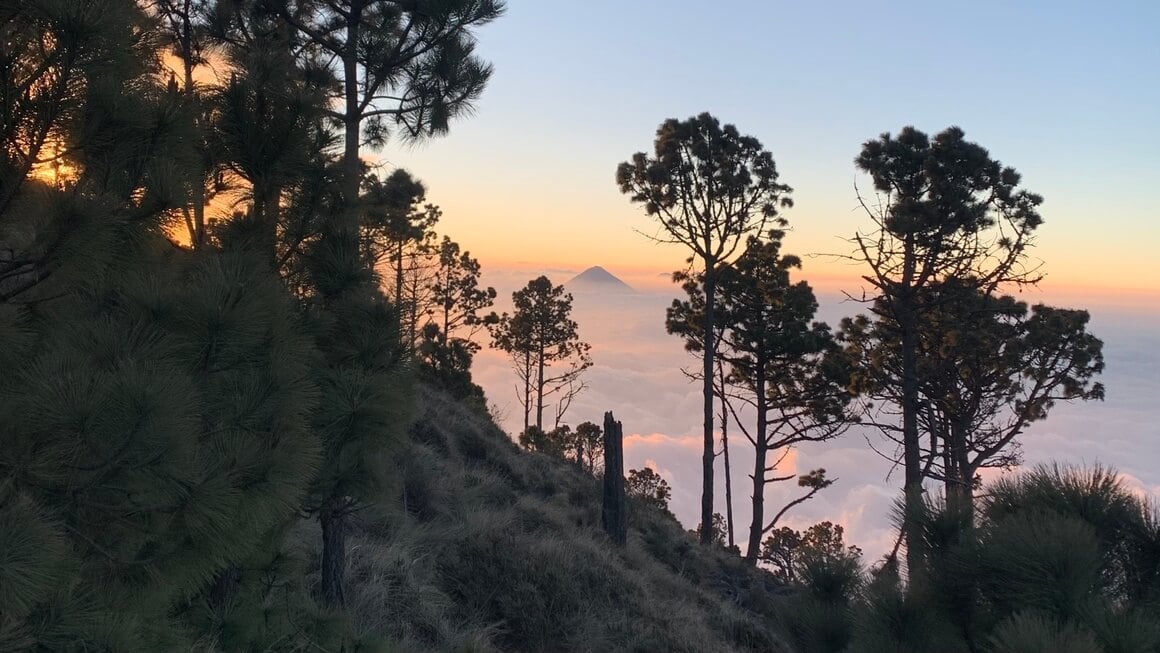
Photo: @joemiddlehurst